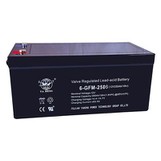
As a seasoned supplier of Power Cabinets, I understand the critical importance of fire prevention in these essential electrical components. Power cabinets house a variety of electrical equipment, including circuit breakers, relays, and transformers, which can generate significant heat and pose a fire risk if not properly managed. In this blog post, I will discuss some of the key fire - prevention measures that should be implemented for power cabinets.
1. Proper Installation and Placement
The first step in fire prevention for power cabinets is ensuring proper installation and placement. Power cabinets should be installed in well - ventilated areas. Adequate ventilation helps to dissipate the heat generated by the electrical components inside the cabinet. A poorly ventilated cabinet can cause the temperature to rise rapidly, increasing the risk of fire.
When installing a power cabinet, it is crucial to follow the manufacturer's instructions precisely. The cabinet should be mounted on a stable and fire - resistant surface. This can prevent the spread of fire in case of an internal electrical fault. Additionally, the cabinet should be placed away from flammable materials such as paper, cardboard, and solvents.
It is also important to leave sufficient clearance around the power cabinet. This allows for easy access for maintenance and inspection, and it also ensures that there is enough space for air to circulate. A general rule of thumb is to leave at least 300mm of clearance on all sides of the cabinet.
2. Regular Maintenance and Inspection
Regular maintenance and inspection are vital for fire prevention in power cabinets. Electrical components can degrade over time, leading to increased resistance and heat generation. By conducting regular inspections, potential problems can be identified and addressed before they turn into fire hazards.
Inspections should include checking for loose connections, frayed wires, and signs of overheating such as discoloration or melting of components. Any damaged or worn - out parts should be replaced immediately. It is also important to clean the power cabinet regularly to remove dust and debris, which can accumulate and act as an insulator, further increasing the temperature inside the cabinet.
In addition to visual inspections, electrical testing should be carried out periodically. This can include measuring the insulation resistance, checking the continuity of circuits, and verifying the proper operation of protective devices such as circuit breakers and fuses. These tests can help to detect potential electrical faults that could lead to a fire.


3. Use of High - Quality Components
The quality of the components used in a power cabinet can have a significant impact on fire safety. Using high - quality electrical components reduces the risk of malfunctions and failures that could lead to a fire. For example, high - quality circuit breakers are more reliable in interrupting the flow of electricity in case of an overload or short - circuit, preventing excessive heat generation.
When selecting components for a power cabinet, it is important to choose products that meet relevant safety standards. Look for components that are certified by recognized testing laboratories. This ensures that the components have been tested and meet the required safety criteria.
4. Overcurrent and Overvoltage Protection
Overcurrent and overvoltage conditions can cause excessive heat in a power cabinet, increasing the risk of fire. To prevent this, power cabinets should be equipped with appropriate overcurrent and overvoltage protection devices.
Circuit breakers are commonly used for overcurrent protection. They automatically trip when the current flowing through a circuit exceeds a certain limit, interrupting the flow of electricity and preventing damage to the electrical components. Fuses are another type of overcurrent protection device. They consist of a thin wire that melts when the current exceeds a specified value, breaking the circuit.
Overvoltage protection devices, such as surge protectors, are used to protect the electrical equipment in the power cabinet from voltage spikes. These spikes can be caused by lightning strikes, power grid fluctuations, or other electrical disturbances. By diverting the excess voltage to the ground, surge protectors prevent damage to the components and reduce the risk of fire.
5. Fire - Resistant Enclosures
Using fire - resistant enclosures for power cabinets is an effective way to prevent the spread of fire. Fire - resistant enclosures are designed to withstand high temperatures for a certain period of time, containing the fire within the cabinet and preventing it from spreading to the surrounding area.
Fire - resistant enclosures are typically made of materials such as steel or fiberglass - reinforced plastic. These materials have high melting points and do not burn easily. When selecting a fire - resistant enclosure, it is important to choose one that meets the appropriate fire - rating standards.
6. Fire Detection and Suppression Systems
Installing fire detection and suppression systems in power cabinets can provide an additional layer of protection. Smoke detectors can be installed inside the cabinet to detect the presence of smoke, which is often an early sign of a fire. When smoke is detected, the detector can trigger an alarm, alerting personnel to the potential fire hazard.
In addition to smoke detectors, automatic fire suppression systems can be installed in power cabinets. These systems can use extinguishing agents such as dry chemicals, carbon dioxide, or water mist to suppress the fire. Automatic fire suppression systems can quickly extinguish a fire before it spreads, minimizing the damage and reducing the risk of injury.
7. Staff Training
Proper training of staff is essential for fire prevention in power cabinets. All personnel who work with or around power cabinets should be trained on fire safety procedures. This includes knowing how to recognize the signs of a potential fire hazard, how to operate fire - detection and suppression systems, and what to do in case of a fire.
Training should also cover the proper use and maintenance of power cabinets. Staff should be aware of the importance of following safety procedures, such as not overloading circuits and reporting any potential problems immediately.
Conclusion
Fire prevention in power cabinets is a multi - faceted approach that requires proper installation, regular maintenance, the use of high - quality components, and the implementation of appropriate safety systems. By taking these measures, the risk of fire in power cabinets can be significantly reduced, protecting both the equipment and the people who work with it.
If you are in the market for a reliable Power Cabinet, our company offers a wide range of high - quality products that are designed with fire - prevention in mind. Our power cabinets are equipped with the latest safety features and are built to meet the highest industry standards. Whether you need a power cabinet for an On - line Power System or a House Power System, we have the solution for you.
We invite you to contact us to discuss your specific requirements and to learn more about our power cabinet products. Our team of experts is ready to assist you in finding the perfect power cabinet for your needs.
References
- National Fire Protection Association (NFPA). NFPA 70: National Electrical Code.
- International Electrotechnical Commission (IEC). IEC 60947: Low - voltage switchgear and controlgear.
- Underwriters Laboratories (UL). UL 508: Industrial Control Equipment.