

As a provider of House Power System, I understand the importance of preventing overloading in a household electrical setup. Overloading in a house power system can lead to various problems, including electrical fires, damage to appliances, and frequent tripping of circuit breakers. In this blog, I will share some practical tips on how to prevent overloading in a house power system, ensuring a safe and efficient electrical environment for your home.
Understanding House Power System Basics
Before diving into prevention methods, it's essential to have a basic understanding of a House Power System. A typical house power system consists of an electrical service entrance, a main breaker panel, branch circuits, and various electrical outlets and appliances. The main breaker panel distributes electricity to different parts of the house through branch circuits, each with its own circuit breaker or fuse to protect against overloading.
The capacity of a circuit is measured in amperes (amps), and each circuit is designed to handle a specific amount of electrical load. When the total electrical load on a circuit exceeds its rated capacity, it becomes overloaded, which can cause the circuit breaker to trip or the fuse to blow.

Identifying Potential Overloading Risks
The first step in preventing overloading is to identify potential risks in your house power system. Here are some common factors that can contribute to overloading:
- Old or Inadequate Wiring: Older homes may have wiring that is not designed to handle the electrical demands of modern appliances and electronics. This can increase the risk of overloading, especially if multiple high-power devices are used simultaneously.
- Multiple High-Power Appliances on One Circuit: Plugging in multiple high-power appliances, such as air conditioners, heaters, and refrigerators, into the same circuit can quickly exceed its capacity. This is a common cause of overloading, especially in kitchens and laundry rooms.
- Unused or Faulty Outlets: Outlets that are not in use or are faulty can pose a safety hazard and increase the risk of overloading. It's important to regularly inspect your outlets for signs of damage, such as loose connections, frayed wires, or overheating.
- Extension Cords and Power Strips: While extension cords and power strips can be convenient, they can also contribute to overloading if not used properly. It's important to use extension cords and power strips that are rated for the electrical load of the devices you are using and to avoid overloading them.
Preventive Measures
Once you have identified potential overloading risks, you can take the following preventive measures to ensure the safety and efficiency of your house power system:
- Conduct a Load Assessment: Start by conducting a load assessment of your house power system to determine the electrical load of each circuit. This will help you identify circuits that are already overloaded or have the potential to become overloaded. You can use a simple ammeter to measure the electrical current flowing through each circuit.
- Distribute Electrical Loads Evenly: To prevent overloading, it's important to distribute electrical loads evenly across different circuits. Avoid plugging multiple high-power appliances into the same circuit and use different outlets for different devices. For example, you can plug your refrigerator into one circuit and your microwave into another.
- Upgrade Your Electrical System: If you have an old or inadequate electrical system, it may be necessary to upgrade it to handle the electrical demands of modern appliances and electronics. This may involve installing a new main breaker panel, upgrading the wiring, or adding additional circuits. A licensed electrician can help you determine the best course of action for your home.
- Use Energy-Efficient Appliances: Energy-efficient appliances use less electricity than traditional appliances, which can help reduce the overall electrical load on your house power system. When shopping for new appliances, look for the Energy Star label, which indicates that the appliance meets strict energy efficiency guidelines.
- Unplug Unused Devices: Even when turned off, many electronic devices continue to draw a small amount of electricity, known as standby power. To reduce the electrical load on your house power system, unplug unused devices or use power strips with an on/off switch to turn off multiple devices at once.
- Install Surge Protectors: Surge protectors can help protect your appliances and electronics from damage caused by power surges, which can occur during thunderstorms or when the power is restored after an outage. Make sure to use surge protectors that are rated for the electrical load of the devices you are using and to replace them regularly.
- Regularly Maintain Your Electrical System: Regular maintenance of your house power system is essential to prevent overloading and ensure its safe and efficient operation. This may involve inspecting your electrical panels, outlets, and wiring for signs of damage, tightening loose connections, and replacing worn-out components. A licensed electrician can perform a comprehensive electrical inspection of your home and recommend any necessary repairs or upgrades.
The Role of Batteries in Preventing Overloading
In addition to the above preventive measures, battery for solar power system can also play a crucial role in preventing overloading in a house power system. Solar power systems with batteries can store excess energy generated by solar panels during the day and use it to power your home during peak demand periods or when the grid is down. This can help reduce the electrical load on your house power system and prevent overloading.
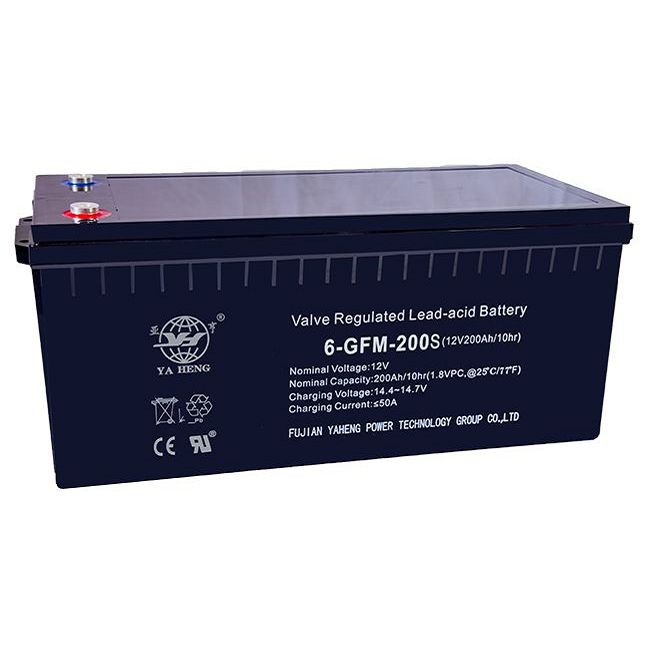
A Power Cabinet is an essential component of a solar power system with batteries. It houses the battery, charge controller, inverter, and other electrical components, providing a centralized and organized way to manage and distribute the stored energy. Power cabinets are designed to be safe, reliable, and efficient, and they can be customized to meet the specific needs of your home.
Conclusion
Preventing overloading in a house power system is essential for the safety and efficiency of your home. By understanding the basics of your house power system, identifying potential overloading risks, and taking the appropriate preventive measures, you can ensure a safe and reliable electrical environment for your family.
As a provider of House Power System, I am committed to helping you prevent overloading and ensuring the optimal performance of your electrical system. If you have any questions or need assistance with your house power system, please don't hesitate to contact me. We can discuss your specific needs and provide you with the best solutions for your home.

References
- National Fire Protection Association. (2023). Electrical safety in the home.
- U.S. Department of Energy. (2023). Energy-efficient home appliances.
- Electrical Safety Foundation International. (2023). Preventing electrical overloads in the home.


