

How often should I replace a telecom battery? This is a question that many in the telecommunications industry often grapple with. As a telecom battery supplier, I've had numerous discussions with clients on this very topic. In this blog, I'll delve into the factors that influence the replacement frequency of telecom batteries and provide some general guidelines to help you make informed decisions.
Understanding Telecom Batteries
Telecom batteries play a crucial role in ensuring the uninterrupted operation of telecommunications networks. They serve as backup power sources, providing electricity when the main power supply fails. These batteries are commonly used in various applications, such as Teleom Power Station, Telecom Battery Bank, and Telecom Power System.
There are different types of telecom batteries, including lead-acid batteries and lithium-ion batteries. Lead-acid batteries have been widely used in the telecom industry for many years due to their relatively low cost and high reliability. Lithium-ion batteries, on the other hand, are gaining popularity because of their higher energy density, longer lifespan, and lighter weight.
Factors Affecting Battery Lifespan
The lifespan of a telecom battery is influenced by several factors, including:
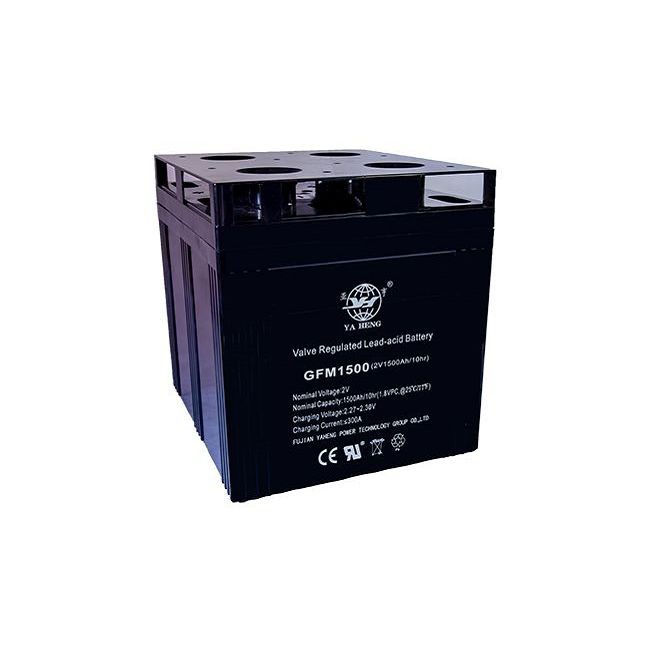
1. Battery Chemistry
As mentioned earlier, different battery chemistries have different lifespans. Lead-acid batteries typically have a lifespan of 3 - 5 years, while lithium-ion batteries can last up to 10 years or more under optimal conditions. This is because lithium-ion batteries have a more stable chemical structure and are less prone to degradation compared to lead-acid batteries.

2. Operating Temperature
Temperature has a significant impact on battery performance and lifespan. High temperatures can accelerate the chemical reactions inside the battery, leading to faster degradation. On the other hand, low temperatures can reduce the battery's capacity and increase its internal resistance. Most telecom batteries are designed to operate within a specific temperature range, usually between 20°C - 25°C. If the operating temperature exceeds this range, the battery's lifespan will be shortened.
3. Depth of Discharge (DoD)
The depth of discharge refers to the percentage of the battery's capacity that is used during each discharge cycle. A higher DoD means that more of the battery's energy is being used, which can put more stress on the battery and reduce its lifespan. For example, if a battery is discharged to 80% of its capacity during each cycle, it will have a shorter lifespan compared to a battery that is only discharged to 20% of its capacity.
4. Charge and Discharge Rates
The rate at which a battery is charged and discharged also affects its lifespan. High charge and discharge rates can generate more heat, which can damage the battery's internal components. It is recommended to charge and discharge telecom batteries at a moderate rate to ensure their longevity.
5. Maintenance and Monitoring
Proper maintenance and monitoring are essential for extending the lifespan of telecom batteries. Regularly checking the battery's voltage, temperature, and state of charge can help detect any potential issues early on and prevent premature failure. Additionally, performing routine maintenance tasks such as cleaning the battery terminals and checking the electrolyte levels (for lead-acid batteries) can also improve the battery's performance and lifespan.
General Guidelines for Battery Replacement
Based on the factors mentioned above, here are some general guidelines for replacing telecom batteries:
1. Lead-Acid Batteries
- If the battery is used in a high-temperature environment or experiences frequent deep discharges, it may need to be replaced every 3 years.
- For batteries that are operated under normal conditions (temperature between 20°C - 25°C and shallow discharges), a replacement interval of 4 - 5 years is usually recommended.
2. Lithium-Ion Batteries
- Lithium-ion batteries generally have a longer lifespan compared to lead-acid batteries. Under optimal conditions, they can last up to 10 years or more. However, if the battery is subjected to extreme temperatures, high charge and discharge rates, or frequent deep discharges, its lifespan may be reduced. In such cases, it is advisable to replace the battery every 7 - 8 years.
It's important to note that these are just general guidelines, and the actual replacement frequency may vary depending on the specific application and operating conditions. Regular battery testing and monitoring are crucial for determining the health of the battery and deciding when it needs to be replaced.
Importance of Timely Battery Replacement
Replacing telecom batteries in a timely manner is crucial for ensuring the reliability and performance of telecommunications networks. A failing battery can lead to power outages, which can disrupt communication services and cause significant financial losses. By replacing the batteries before they fail, you can minimize the risk of downtime and ensure the continuous operation of your telecom infrastructure.
How We Can Help
As a telecom battery supplier, we understand the importance of providing high-quality batteries and reliable service. We offer a wide range of telecom batteries, including lead-acid and lithium-ion batteries, to meet the diverse needs of our customers. Our batteries are designed to provide long-lasting performance and are backed by our technical support team.

If you're unsure about when to replace your telecom batteries or need help selecting the right battery for your application, our experts are here to assist you. We can conduct a battery assessment to determine the health of your existing batteries and provide recommendations on replacement options. We also offer installation and maintenance services to ensure that your batteries are installed correctly and operate at their best.
Contact us today to learn more about our telecom battery products and services. Whether you're looking to replace your existing batteries or upgrade to a more advanced battery technology, we're here to help you make the right decision.
References
- Battery University. (n.d.). Understanding Battery Chemistry. Retrieved from https://batteryuniversity.com/learn/article/understanding_battery_chemistry
- Telecommunications Industry Association. (2018). Battery Standards for Telecommunications. Retrieved from https://www.tiaonline.org/standards/
- IEEE. (2014). Recommended Practice for Maintenance, Testing, and Replacement of Valve-Regulated Lead-Acid (VRLA) Batteries for Stationary Applications. IEEE Std 1188-2014.


