Yo, folks! As a storage battery supplier, I've seen my fair share of batteries that are on the fritz. Figuring out if a storage battery is faulty is super important, whether you're using it for your Camper Power Bank, RV Power, or Camper Power Station. In this blog, I'm gonna share some tips on how to detect a faulty storage battery.
Visual Inspection
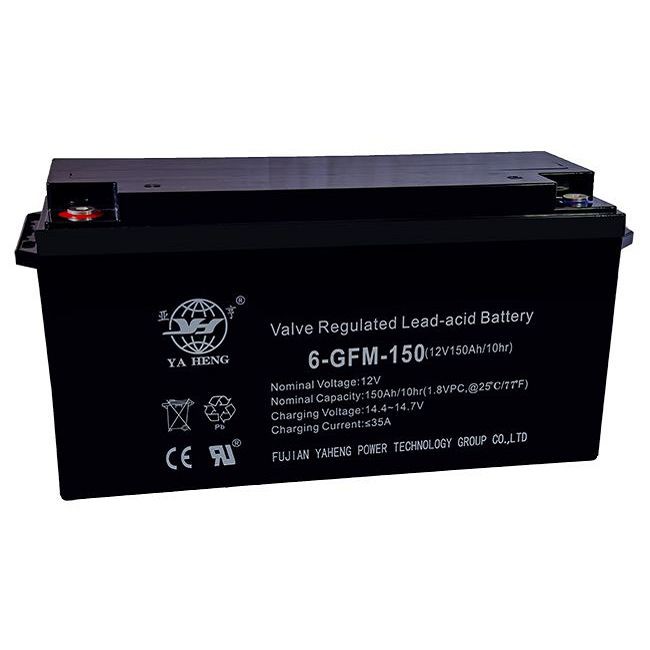
The first thing you can do is give the battery a good visual once - over. Look for any obvious signs of damage. Cracks on the battery casing are a big red flag. These cracks can let electrolyte leak out, which not only messes up the battery's performance but can also be dangerous. If you see any fluid around the battery or signs of corrosion on the terminals, that's another bad sign. Corrosion looks like a white, powdery substance on the terminals. It can prevent the battery from making a good electrical connection, so it won't charge or discharge properly.
Another thing to check is the battery's shape. If it's bulging, that's a sign that something's seriously wrong. Bulging can be caused by overcharging, overheating, or internal short - circuits. A bulging battery is a ticking time bomb and should be replaced asap.
Voltage Testing
One of the most common ways to check a battery's health is by testing its voltage. You'll need a voltmeter for this. First, make sure the battery is disconnected from any power source or load. Then, set your voltmeter to the DC voltage setting. For a 12 - volt lead - acid battery, a fully charged battery should read around 12.6 to 12.8 volts. If it reads significantly lower, say 12 volts or less, it might be discharged or faulty.
But voltage alone isn't always enough to tell if a battery is bad. You also need to do a load test. A load test applies a load to the battery while measuring its voltage. There are special load testers for this, but if you don't have one, you can use a large resistor as a makeshift load. Connect the resistor across the battery terminals for a short period (like 15 seconds) and then measure the voltage again. If the voltage drops too much during the load test, it means the battery can't hold its charge under load and is probably faulty.
Specific Gravity Testing (for Lead - Acid Batteries)
If you're dealing with a lead - acid battery, you can also check the specific gravity of the electrolyte. You'll need a hydrometer for this. Remove the caps from the battery cells and carefully insert the hydrometer into each cell. Squeeze the bulb on the hydrometer to draw some electrolyte into the tube. The float inside the hydrometer will rise, and you can read the specific gravity on the scale.
For a fully charged lead - acid battery, the specific gravity should be around 1.265 to 1.280 at 80°F (27°C). If the specific gravity is low in one or more cells, it could mean that the cell is sulfated or has other internal problems. Sulfation happens when lead sulfate crystals build up on the battery plates, reducing the battery's capacity.
Battery Conductance Testing
Conductance testing is a more advanced way to check a battery's health. It measures the battery's ability to conduct electrical current. There are handheld conductance testers available that can give you a quick and accurate assessment of the battery's condition. These testers send a small electrical signal through the battery and measure the response.
The advantage of conductance testing is that it can detect problems like internal short - circuits and weak cells that might not be obvious from voltage or specific gravity tests. It's also a non - invasive test, so you don't have to open the battery or remove any parts.
Temperature Monitoring
Battery temperature can also tell you a lot about its health. A healthy battery should operate at a relatively stable temperature. If a battery is getting too hot during charging or discharging, it could be a sign of a problem. Overheating can be caused by overcharging, high internal resistance, or a short - circuit.
You can use an infrared thermometer to check the battery's surface temperature. If the temperature is significantly higher than normal (for example, above 120°F or 49°C for a lead - acid battery), it's time to investigate further.

Age and Usage
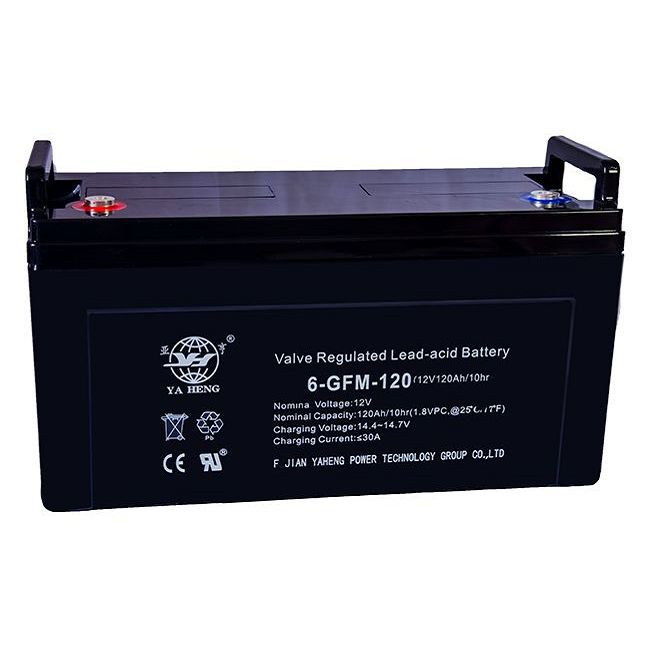
Don't forget to consider the battery's age and how it's been used. Most storage batteries have a limited lifespan. For example, a typical lead - acid battery might last 3 to 5 years under normal use. If your battery is approaching or past its expected lifespan, it's more likely to be faulty.
Also, think about how the battery has been used. If it's been frequently overcharged, deeply discharged, or exposed to extreme temperatures, its health will be affected. Batteries that are used in harsh environments or for heavy - duty applications will wear out faster.
Conclusion
Detecting a faulty storage battery isn't always easy, but by using a combination of these methods, you can get a pretty good idea of its condition. Whether you're a camper looking to keep your Camper Power Bank in top shape, an RV owner relying on RV Power, or someone using a Camper Power Station, a healthy battery is essential.
If you're having trouble with your batteries or need some advice on choosing the right ones, don't hesitate to reach out. We're here to help you make the best decisions for your power needs. Whether you're in the market for a new battery or just need some maintenance tips, we've got you covered. Let's start a conversation and find the perfect storage battery solution for you.
References
- Battery University: A comprehensive resource for battery knowledge and testing methods.
- Automotive repair manuals: Provide detailed information on battery testing for vehicle applications.
- Manufacturer's specifications: For specific details on battery performance and testing for different battery models.