

Hey there, fellow RV enthusiasts! As a supplier in the RV power game, I've seen firsthand how crucial a well - functioning power management system is for a great RV experience. So, let's dig into how a power management system works in an RV.
The Basics of an RV Power System
First off, an RV power system has two main sources of power: shore power and onboard power. Shore power is like plugging your RV into a wall socket at a campground. It gives you access to a stable and continuous electricity supply, just like at home. On the other hand, onboard power comes from batteries and sometimes a generator. This is what keeps your RV running when you're off - grid, in the middle of nowhere enjoying nature.
Shore Power Connection
When you hook up to shore power, you're essentially connecting your RV to the campground's electrical grid. You'll use a heavy - duty power cord to plug into a designated outlet. The power then flows through a power management system, which is usually a built - in panel inside your RV. This panel acts as a control center, distributing electricity to different parts of your RV.
The power management system checks the incoming voltage to make sure it's within a safe range. If the voltage is too high or too low, it can damage your RV's appliances and electronics. Once it verifies the voltage, it distributes the power to various circuits. For example, there are separate circuits for your lights, fridge, air conditioner, and other appliances.
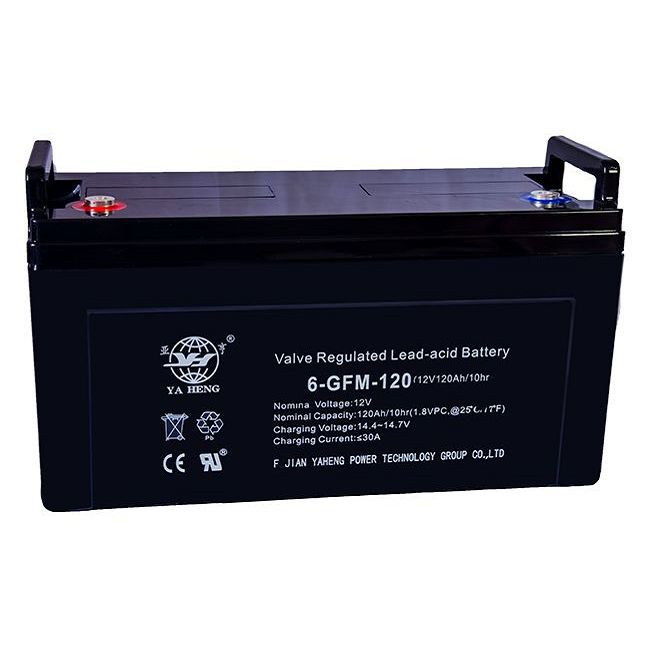

Onboard Power: Batteries
Now, let's talk about onboard power, starting with batteries. Most RVs have deep - cycle batteries. These batteries are designed to be discharged and recharged repeatedly, unlike car batteries that are meant for short, high - power bursts to start the engine.
Your RV's power management system is responsible for charging these batteries. When you're connected to shore power or running a generator, the system sends a controlled amount of electricity to the batteries to recharge them. It uses a charger, which can be a simple converter or a more advanced multi - stage charger.
A multi - stage charger is really cool. It has different charging phases. First, it gives a high - current charge to quickly bring the battery up to a certain level. Then, it switches to a lower - current charge to top off the battery without overcharging it. Finally, it goes into a maintenance mode to keep the battery fully charged and in good condition.
Onboard Power: Generators
Generators are another option for onboard power. They burn fuel, like gasoline, diesel, or propane, to generate electricity. When you start the generator, the power management system kicks in to manage the power output.
It makes sure that the generator is producing the right amount of voltage and frequency. Just like with shore power, the system distributes the power from the generator to the different circuits in your RV. The advantage of a generator is that it can provide a lot of power, enough to run high - energy appliances like air conditioners and microwaves when you're not connected to shore power.
Power Distribution and Load Management
One of the key functions of the power management system is power distribution and load management. Your RV has a limited amount of power available, whether it's from shore power, batteries, or a generator. So, the system has to make sure that the power is used efficiently.
It monitors the power consumption of each appliance and circuit. If you try to run too many high - power appliances at the same time, the system might trip a breaker to prevent overloading. For example, if you're running the air conditioner, the microwave, and the coffee maker all at once, the power management system might sense that the total power demand is too high and shut off one or more of these appliances to protect the electrical system.
Energy Storage Options
As an RV power supplier, I often recommend different energy storage options to my customers. One great option is the Camper Power Station. These power stations are portable and can store a decent amount of energy. You can charge them when you have access to shore power or a generator, and then use them to power small appliances like laptops, phones, and lights when you're off - grid.
Another option is the UPS Power Station. UPS stands for Uninterruptible Power Supply. These are great for providing backup power in case of a sudden power outage. They can keep your essential electronics, like your RV's control panel and security system, running until you can get the main power source back up and running.
And then there's the Camper Power Bank. These are smaller, more compact energy storage devices. They're perfect for charging your mobile devices on the go. You can easily carry them around with you and use them to top off your phone or tablet when you're out exploring.
Monitoring and Control
Modern RV power management systems often come with monitoring and control features. You can use a control panel or even a mobile app to keep an eye on your power usage. You can see how much power is being generated, how much is being consumed, and the state of charge of your batteries.
This kind of monitoring is really useful. For example, if you notice that your battery charge is getting low, you can decide whether to run the generator to recharge it or to turn off some non - essential appliances to conserve power. You can also use the control features to turn on or off different circuits remotely, which is super convenient.
Maintenance and Troubleshooting
Like any system, your RV's power management system needs regular maintenance. You should check the wiring connections for any signs of corrosion or loose connections. Make sure the batteries are clean and properly secured. And keep an eye on the charger and other components for any signs of damage.
If you run into problems, the power management system can sometimes give you error codes. These codes can help you diagnose the issue. For example, if you see a code indicating a low - voltage problem, you can start by checking the shore power connection or the battery charge.
Conclusion
So, there you have it – a rundown of how a power management system works in an RV. It's a complex but essential part of your RV experience. Whether you're a weekend warrior or a full - time RVer, having a reliable power management system is key to keeping your appliances running, your electronics charged, and your overall RV experience enjoyable.
If you're in the market for RV power products, whether it's batteries, chargers, power stations, or other components, I'd love to have a chat with you. We've got a wide range of high - quality products that can meet your power needs. Just reach out, and we can start discussing the best solutions for your RV.
References
- "RV Electrical Systems: A Comprehensive Guide" by RV Lifestyle Magazine
- "Understanding Power Management in Recreational Vehicles" by National RV Dealers Association


