Hey there, fellow RV enthusiasts! I'm part of an RV Power supplier, and I'm stoked to dive into how a power inverter charger works in an RV. It's a crucial component that can make or break your off - grid adventures, so let's get into it!
What is a Power Inverter Charger?
First things first, what exactly is a power inverter charger? Well, it's a nifty device that does two main jobs. It can convert DC (direct current) power from your RV's batteries into AC (alternating current) power, which is what most of your household appliances run on. And on top of that, it can also charge your RV batteries when you're connected to an external power source, like a shore power hookup at a campground.
Think of it as a translator between your RV's battery system and your AC - powered devices. Without it, you'd be limited to using only DC - powered stuff, like your RV's lights and some small fans. But with a power inverter charger, you can run your microwave, TV, and even your coffee maker – just like you're at home!
How Does the Inverting Part Work?
Let's start with the inverting process. Your RV batteries store power in DC form. This is a one - way flow of electricity, kind of like a river that only flows in one direction. But most of the appliances in your RV, and in your home for that matter, are designed to work with AC power. AC power constantly changes direction, like a pendulum swinging back and forth.
The power inverter charger uses a bunch of electronic components, mainly transistors and capacitors, to convert that DC power into AC power. The transistors act like switches, turning the DC power on and off really quickly. By controlling how often these switches turn on and off, the inverter can create an AC - like waveform.
The capacitors, on the other hand, help smooth out the power. They store electrical energy and release it at the right times to make sure the AC power coming out of the inverter is as clean and stable as possible. This is super important because if the power isn't stable, it can damage your appliances.
The Charging Process
Now, let's talk about the charging part. When you hook your RV up to shore power at a campground, or if you have a generator running, the power inverter charger kicks into charging mode. It takes the AC power from the external source and converts it back into DC power to charge your RV batteries.
The charger part of the inverter charger has a built - in charge controller. This controller monitors the state of your batteries and adjusts the charging process accordingly. For example, when your batteries are completely dead, the charger will supply a high - current charge to quickly bring them up to a certain level. But as the batteries get closer to being fully charged, the charger will reduce the current to prevent overcharging, which can damage the batteries.
Some power inverter chargers also have multi - stage charging. This means they go through different phases of charging, like bulk charging, absorption charging, and float charging. Bulk charging is the initial fast - charging phase. Absorption charging is when the charger maintains a constant voltage to fully charge the batteries. And float charging is a low - level charge that keeps the batteries topped off without overcharging them.
Why is a Power Inverter Charger Important in an RV?
So, why do you even need a power inverter charger in your RV? Well, it gives you a lot of flexibility. You can enjoy the comforts of home even when you're out in the middle of nowhere. You can watch your favorite shows on TV, make a hot meal in the microwave, or use your laptop to stay connected.
It also helps extend the life of your RV batteries. By having a proper charge controller in the inverter charger, you can make sure your batteries are charged correctly, which means they'll last longer. And let's face it, replacing RV batteries can be expensive, so anything that helps them last is a win.
Different Types of Power Inverter Chargers
There are a few different types of power inverter chargers out there. The most common ones are pure sine wave inverters and modified sine wave inverters.
Pure sine wave inverters produce AC power that's almost identical to the power you get from your home's electrical grid. They're more expensive, but they're also better for sensitive electronics. If you have a high - end TV, a laptop, or other delicate devices in your RV, a pure sine wave inverter is the way to go.
Modified sine wave inverters, on the other hand, are cheaper. They produce a waveform that's a bit rougher than pure sine wave power. Some older appliances might work just fine with a modified sine wave inverter, but newer, more sensitive electronics might not. You might notice some buzzing or interference when using a modified sine wave inverter with certain devices.
Tips for Choosing the Right Power Inverter Charger
When you're choosing a power inverter charger for your RV, there are a few things to consider. First, think about your power needs. How many appliances do you want to run at the same time? Make a list of all the AC - powered devices you'll use in your RV and add up their wattage. This will give you an idea of how much power your inverter charger needs to be able to handle.
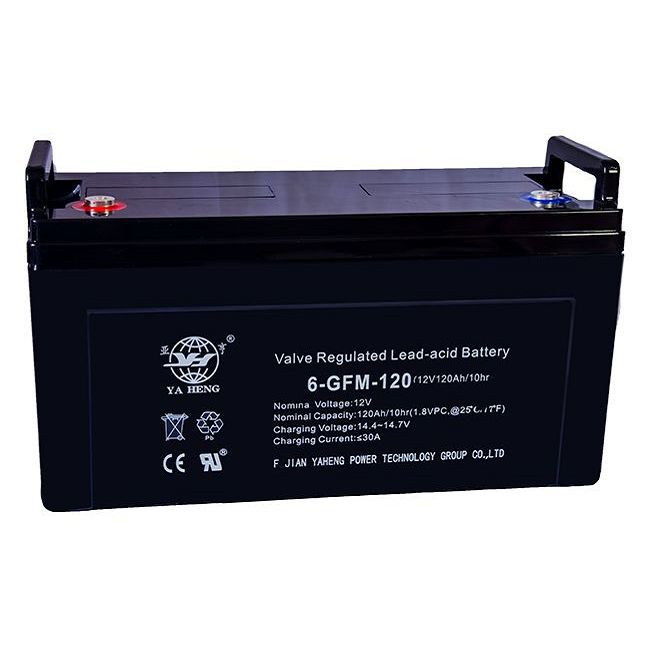
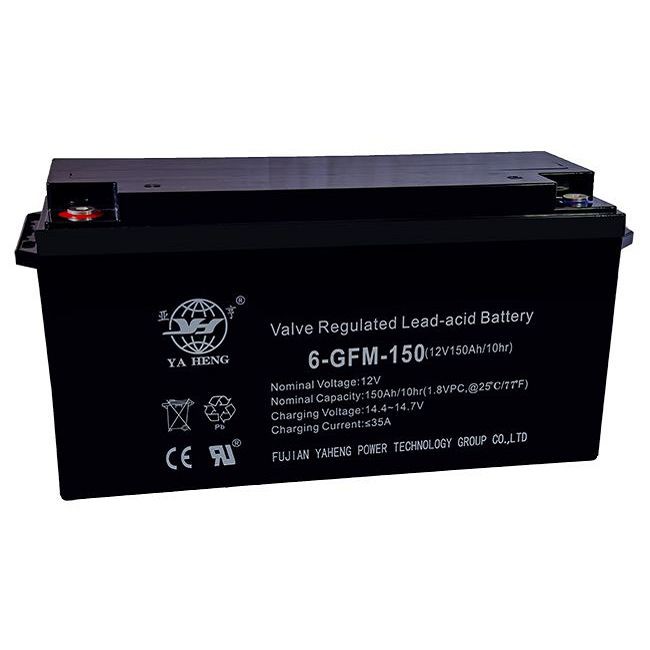
You also want to consider the type of battery system you have in your RV. Different battery types, like lead - acid batteries, lithium - ion batteries, or AGM batteries, have different charging requirements. Make sure the power inverter charger you choose is compatible with your battery type.
And don't forget about the quality and brand. Look for a reputable brand that offers good customer support and a warranty. You don't want to end up with a cheap inverter charger that breaks down after a few uses.
Where to Find More Power Solutions for Your RV
If you're looking for more power solutions for your RV, we've got some great options. Check out our Camper Power Station. It's a great way to store extra power and keep your devices charged. We also have a UPS Power Station, which can provide backup power in case of an outage. And for a more portable option, take a look at our Camper Power Bank.
Contact Us for Purchasing and More Information
If you're interested in buying a power inverter charger or any of our other RV power products, we'd love to hear from you. Whether you have questions about which product is right for you or you're ready to place an order, just reach out to us. We're here to help you make the most of your RV adventures with reliable power solutions.
References
- "RV Electrical Systems: A Comprehensive Guide" - A book that covers all aspects of RV electrical systems, including power inverter chargers.
- "Battery Charging Basics" - An online article that explains the different charging processes for RV batteries.
So, there you have it, folks! That's how a power inverter charger works in an RV. I hope this blog post has been helpful. If you have any more questions, feel free to leave a comment or contact us. Happy RVing!