

Determining if your motorcycle battery is causing electrical problems can be a challenging but crucial task for any motorcycle owner. As a motorcycle battery supplier, I've encountered numerous situations where customers were struggling to diagnose battery - related issues. In this blog, I'll share some effective methods to help you figure out if your battery is the root cause of electrical glitches in your motorcycle.
1. Visual Inspection
The first step in assessing your motorcycle battery is a visual inspection. A well - maintained battery should look clean and free of any visible damage. Start by checking the battery case for cracks or bulges. Cracks can allow electrolyte to leak out, which not only reduces the battery's performance but can also cause corrosion to nearby components. Bulges, on the other hand, are often a sign of overheating or internal short - circuits.
Inspect the battery terminals for corrosion. Corrosion appears as a white, green, or blue powdery substance on the terminals. It can impede the flow of electricity between the battery and the motorcycle's electrical system. If you notice significant corrosion, it may be a sign that the battery has been leaking acid or that the charging system is overcharging the battery.
Also, check the electrolyte level if your battery is a maintenance - required type. The electrolyte should cover the lead plates inside the battery. If the level is low, it could lead to reduced battery capacity and performance. However, be cautious when handling electrolyte as it is highly corrosive.
2. Voltage Testing
One of the most straightforward ways to determine if your battery is in good condition is by measuring its voltage. You'll need a multimeter for this test. Set the multimeter to the DC voltage setting, usually around 20 volts for a motorcycle battery.
With the motorcycle turned off, connect the multimeter's positive lead to the positive terminal of the battery and the negative lead to the negative terminal. A fully charged 12 - volt motorcycle battery should read around 12.6 - 12.8 volts. If the reading is significantly lower, say below 12 volts, it could indicate that the battery is discharged or has a problem holding a charge.
Next, start the motorcycle and check the voltage again. While the engine is running, the charging system should be providing power to the battery and maintaining its charge. The voltage should read between 13.5 and 14.5 volts. If the voltage is lower than this range, the charging system may not be working properly, or the battery could be too damaged to accept a charge. If the voltage is higher, it could mean that the voltage regulator is faulty, causing overcharging.
3. Load Testing
A load test provides a more comprehensive assessment of your battery's ability to deliver power under a real - world scenario. To perform a load test, you'll need a load tester, which can be rented from an auto parts store or purchased if you plan to do regular battery testing.
First, make sure the battery is fully charged. Then, connect the load tester to the battery terminals according to the manufacturer's instructions. Apply a load to the battery for a specified period, usually around 15 seconds. The load should be equivalent to half of the battery's cold - cranking amps (CCA) rating.
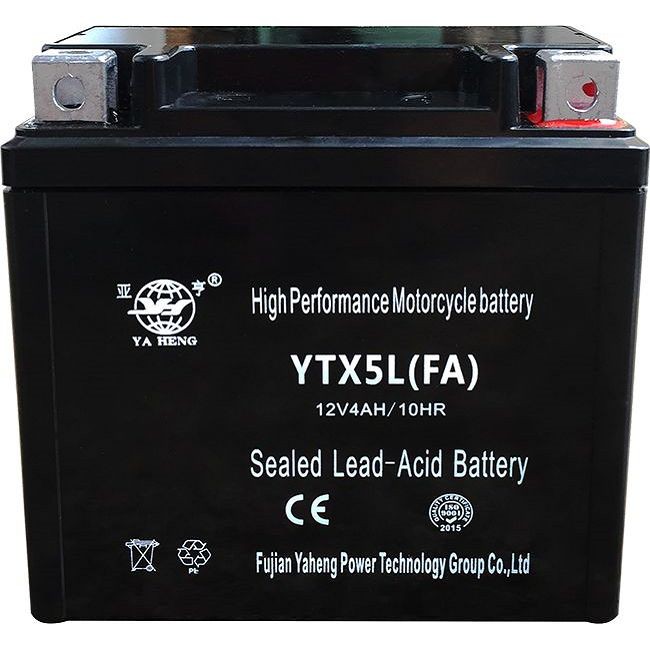

During the load test, monitor the voltage. A healthy battery should maintain a voltage of at least 9.6 volts for a 12 - volt battery. If the voltage drops significantly below this level, it indicates that the battery is unable to deliver the required power and may need to be replaced.
4. Starting Performance
Pay close attention to how your motorcycle starts. If you notice that the engine cranks slowly or takes multiple attempts to start, it could be a sign of a weak battery. A healthy battery should provide enough power to turn the engine over quickly and smoothly.
If the starter motor makes a clicking sound but the engine doesn't start, it could also point to a battery problem. This clicking sound often indicates that the battery doesn't have enough power to engage the starter motor properly. However, it's important to note that other issues, such as a faulty starter motor or ignition switch, can also cause similar symptoms.
5. Electrical System Malfunctions
A failing battery can also cause various electrical system malfunctions in your motorcycle. For example, if you notice that the lights are dimmer than usual, especially when the engine is idling, it could be due to a low - voltage battery. The battery is responsible for providing power to the lights, and a weak battery may not be able to supply enough energy for them to operate at full brightness.
Other electrical components, such as the radio, horn, or fuel pump, may also experience problems if the battery is not functioning correctly. If you find that these components are intermittent or not working at all, it's worth checking the battery as a potential cause.
6. Age of the Battery
The age of the battery is an important factor to consider. Most motorcycle batteries have a lifespan of about 2 - 5 years, depending on usage, maintenance, and environmental conditions. If your battery is approaching or has exceeded this lifespan, it's more likely to develop problems.
Even if the battery seems to be working fine, an older battery may have reduced capacity and may not be able to hold a charge as well as a new one. In such cases, it's a good idea to start thinking about replacing the battery before it fails completely.
7. Comparing with a Known Good Battery
If you have access to a known good motorcycle battery, you can perform a simple comparison test. Swap the suspected battery with the good one and see if the electrical problems persist. If the issues go away, it's a strong indication that the original battery was the problem.
However, make sure to follow proper safety procedures when swapping batteries. Disconnect the negative terminal first and then the positive terminal to avoid short - circuits. When installing the new battery, connect the positive terminal first and then the negative terminal.
8. Specialized Battery Types
As a motorcycle battery supplier, we offer a variety of battery types, including Starting Battery, GEL Start Battery, and GEL Starting Battery. Each type has its own characteristics and may require different diagnostic approaches.
Gel batteries, for example, are more resistant to vibration and can handle deep discharges better than traditional flooded batteries. However, they may have different charging requirements. If you're using a gel battery and experiencing electrical problems, make sure to check the charging system settings to ensure they are compatible with the battery type.
In conclusion, determining if your motorcycle battery is causing electrical problems requires a combination of visual inspection, voltage testing, load testing, and observing starting performance and electrical system malfunctions. By following these steps, you can accurately diagnose battery - related issues and take appropriate action, whether it's replacing the battery, servicing the charging system, or performing other necessary repairs.
If you're facing persistent electrical problems with your motorcycle and suspect it's the battery, don't hesitate to reach out to us. As a trusted motorcycle battery supplier, we have the expertise and a wide range of high - quality batteries to meet your needs. Contact us to discuss your requirements and let's find the best solution for your motorcycle.
References
- Motorcycle Service Manuals: Most motorcycle manufacturers provide detailed information on battery maintenance and troubleshooting in their service manuals.
- Battery Manufacturer Guidelines: Each battery manufacturer offers specific instructions on testing, charging, and maintaining their batteries.


