As a supplier of GEL batteries, I've witnessed firsthand the growing demand for reliable power solutions in various applications. One of the most critical aspects that customers often inquire about is how GEL batteries handle high - current discharges. In this blog, I'll delve into the science behind GEL batteries and their performance under high - current scenarios.
Understanding GEL Batteries
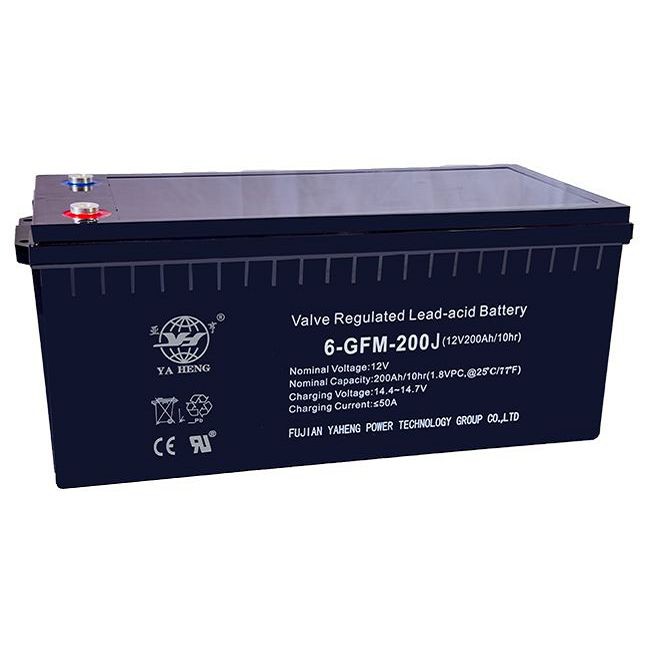
GEL batteries are a type of valve - regulated lead - acid (VRLA) battery. The key characteristic of GEL batteries is the use of a silica gel electrolyte. This gel - like substance immobilizes the electrolyte, which offers several advantages over traditional flooded lead - acid batteries. For instance, it reduces the risk of electrolyte leakage, making GEL batteries safer and more suitable for a wider range of applications.
The construction of GEL batteries typically consists of lead plates submerged in the silica - gel electrolyte. The gel acts as a medium for ion transfer between the positive and negative plates during the charging and discharging processes. This unique design also provides better shock and vibration resistance, which is crucial for applications where the battery may be subject to movement, such as in mobile devices or vehicles.
High - Current Discharges: What Are They?
High - current discharges occur when a battery is required to deliver a large amount of current in a short period. This is common in applications like starting engines, powering high - power tools, or providing emergency backup power. For example, when you use a Jump Starter Power Battery to start a car, the battery needs to supply a high current to crank the engine.
The magnitude of high - current discharges can vary significantly depending on the application. In automotive starting applications, the current draw can be several hundred amperes for a few seconds. In contrast, some industrial applications may require continuous high - current discharges over a longer period.
How GEL Batteries Handle High - Current Discharges
1. Internal Resistance
One of the primary factors that determine a battery's ability to handle high - current discharges is its internal resistance. GEL batteries generally have a relatively low internal resistance compared to some other battery types. A low internal resistance means that less energy is lost as heat during the discharge process. When a high - current flows through a battery with low internal resistance, the voltage drop across the battery is minimized, allowing more of the stored energy to be delivered to the load.
For example, if a battery has a high internal resistance, a significant portion of the electrical energy will be converted into heat, which not only reduces the efficiency of the battery but also can cause overheating and damage to the battery components. In GEL batteries, the low internal resistance enables them to handle high - current discharges more efficiently.
2. Plate Design
The design of the lead plates in GEL batteries also plays a crucial role in handling high - current discharges. The plates are typically made with a large surface area to increase the contact area between the plates and the electrolyte. A larger surface area allows for more chemical reactions to occur simultaneously, which in turn enables the battery to deliver a higher current.
In addition, the plate material and construction are optimized to withstand the stress of high - current discharges. The plates are often made of high - purity lead alloys that have good electrical conductivity and mechanical strength. This ensures that the plates can maintain their integrity during high - current events, preventing premature failure.
3. Gel Electrolyte Properties
The silica - gel electrolyte in GEL batteries has unique properties that contribute to their high - current discharge performance. The gel structure provides a stable environment for ion transfer, even under high - current conditions. It helps to prevent the formation of concentration gradients within the electrolyte, which can occur in liquid electrolytes during high - current discharges.
Concentration gradients can lead to uneven distribution of ions, which may cause localized overheating and reduced battery performance. The gel electrolyte in GEL batteries minimizes these issues, allowing for more uniform ion flow and better overall performance during high - current discharges.
Applications of GEL Batteries in High - Current Scenarios
1. Automotive and Marine Starting
GEL batteries are widely used in automotive and marine applications for engine starting. Their ability to handle high - current discharges makes them ideal for providing the initial burst of power needed to start the engine. Whether it's a car, truck, or boat, GEL batteries can deliver the high current required to crank the engine quickly and reliably.
For example, a Jump Starter Power Battery based on GEL technology can provide a high - current output to start a vehicle's engine, even in cold weather conditions. The low internal resistance and stable performance of GEL batteries ensure that the starting process is smooth and efficient.
2. RV and Off - Grid Power Systems
In RV and off - grid power systems, GEL batteries are used to power various appliances and equipment. RV Power Bank Battery and RV Power Station Battery often need to handle high - current discharges when powering high - power devices such as air conditioners, microwave ovens, or power tools.
GEL batteries can supply the necessary high current to these devices without experiencing significant voltage drops or performance degradation. Their ability to withstand repeated high - current discharges also makes them a reliable choice for long - term use in these applications.

Limitations and Considerations
While GEL batteries are well - suited for high - current discharges, they do have some limitations. One of the main limitations is the relatively slow recharge rate compared to some other battery types. After a high - current discharge, GEL batteries require a carefully controlled charging process to avoid overcharging and damage to the battery.
In addition, extreme high - current discharges can still put stress on GEL batteries. Prolonged or repeated high - current discharges beyond the battery's rated capacity can lead to premature aging and reduced battery life. Therefore, it's important to select the right GEL battery for the specific application and to operate it within its recommended parameters.
Conclusion
In conclusion, GEL batteries offer excellent performance when it comes to handling high - current discharges. Their low internal resistance, optimized plate design, and unique gel electrolyte properties make them a reliable choice for a wide range of applications that require high - current power. Whether it's starting an engine, powering an RV, or providing backup power, GEL batteries can deliver the high current needed with efficiency and reliability.
If you're in the market for high - performance GEL batteries for your high - current applications, I encourage you to reach out to us. We have a wide range of GEL battery products to meet your specific needs. Contact us to discuss your requirements and start a procurement negotiation today.
References
- Linden, D., & Reddy, T. B. (2002). Handbook of Batteries. McGraw - Hill.
- Berndt, D. (2011). Lead - Acid Batteries: Science and Technology. Springer.