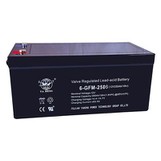
Hey there! I'm a supplier of Wheel Chair Battery, and I often get asked if wheelchair batteries need to be equalized. It's a super important question, especially for those who rely on wheelchairs for their mobility. So, let's dive right in and explore this topic.
First off, let's understand what battery equalization is. In simple terms, equalization is a process of balancing the state of charge of individual cells in a battery pack. When a battery is used over time, the cells can become unbalanced. Some cells might hold more charge, while others hold less. This imbalance can reduce the overall performance and lifespan of the battery.
Now, do wheelchair batteries need this equalization process? Well, it depends on the type of battery. The most common types of batteries used in wheelchairs are lead - acid batteries and lithium - ion batteries, and they have different requirements.
Lead - Acid Batteries
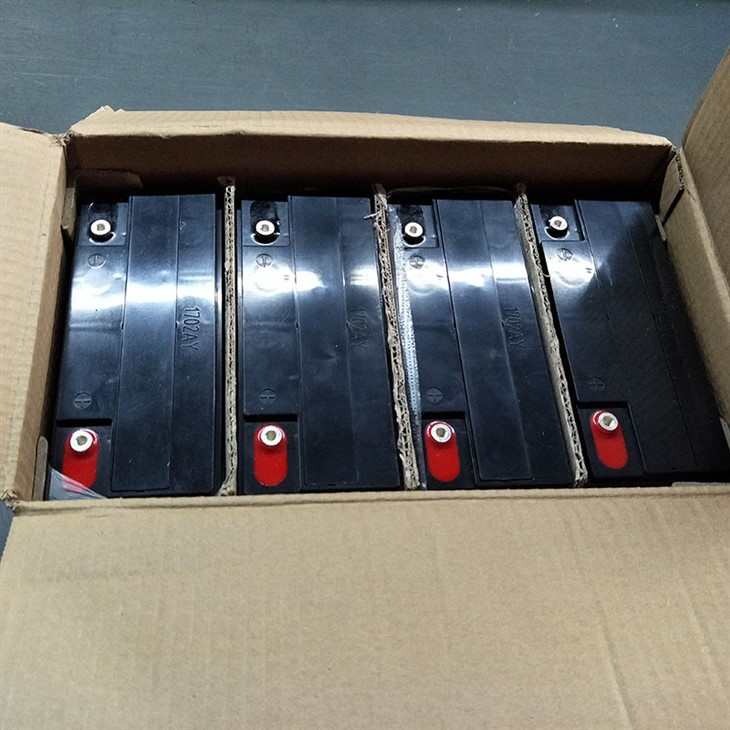
Lead - acid batteries are widely used in wheelchairs because they're relatively inexpensive and reliable. But they do require a bit more maintenance, and equalization can be beneficial for them.
Over time, lead - acid batteries can develop sulfation. Sulfation occurs when lead sulfate crystals build up on the battery plates. These crystals can reduce the battery's capacity and make it less efficient. Equalization helps to break down these sulfate crystals. By applying a higher - than - normal charging voltage for a short period, the process can help to dissolve the sulfates and restore the battery's performance.
For wheelchair users, this means a longer - lasting battery that can provide consistent power. If you're using a lead - acid Electric Wheel Chair Battery, it's a good idea to follow the manufacturer's recommendations on equalization. Some chargers are designed to perform equalization automatically, while others might require you to do it manually.
However, equalization for lead - acid batteries isn't without its risks. If done incorrectly, over - equalization can cause excessive gassing, which can lead to water loss in the battery. This can damage the battery and shorten its lifespan. So, it's crucial to follow the right procedures.

Lithium - Ion Batteries
Lithium - ion batteries are becoming more popular in wheelchairs due to their high energy density, longer lifespan, and lower maintenance requirements. The good news is that lithium - ion batteries generally don't need equalization in the same way as lead - acid batteries.
Lithium - ion battery management systems (BMS) are designed to balance the cells within the battery pack. The BMS monitors the voltage of each cell and ensures that they all charge and discharge evenly. This built - in balancing mechanism helps to prevent cell imbalance and extends the battery's lifespan.
So, if you have a wheelchair with a lithium - ion battery, you usually don't have to worry about the equalization process. Just make sure to use a charger that's compatible with your battery and follow the normal charging procedures.
Benefits of Equalization (for Lead - Acid Batteries)
If you're using a lead - acid wheelchair battery, equalization can offer several benefits.
- Improved Capacity: By breaking down the sulfate crystals, equalization can restore the battery's capacity. This means your wheelchair can run for longer on a single charge, giving you more freedom to move around.
- Longer Lifespan: A well - equalized battery is less likely to suffer from premature failure. By maintaining the health of the battery plates, you can extend the overall lifespan of the battery, saving you money in the long run.
- Consistent Performance: Equalization helps to ensure that all the cells in the battery pack are performing at their best. This results in more consistent power output, which is crucial for a smooth and reliable wheelchair operation.
How to Equalize a Lead - Acid Wheelchair Battery
If you've determined that your lead - acid wheelchair battery needs equalization, here are the general steps:
- Check the Battery: Make sure the battery is in good condition and there are no signs of damage or leakage.
- Use the Right Charger: You'll need a charger that's capable of providing a higher - than - normal charging voltage for equalization. Some chargers have an equalization mode, while others might require you to adjust the settings manually.
- Ventilation: Equalization can cause gassing, so it's important to perform the process in a well - ventilated area. This helps to prevent the buildup of potentially explosive gases.
- Monitor the Process: Keep an eye on the battery during equalization. Check the temperature and the specific gravity of the electrolyte (if possible). If you notice any abnormal behavior, stop the process immediately.
When Not to Equalize
There are some situations where equalization might not be a good idea.
- New Batteries: New lead - acid batteries usually don't need equalization right away. Let the battery go through a few normal charge - discharge cycles before considering equalization.
- Damaged Batteries: If the battery is damaged, has a cracked case, or shows signs of internal short - circuits, equalization can be dangerous. It's best to replace the battery instead.
- Lithium - Ion Batteries: As mentioned earlier, lithium - ion batteries have their own built - in balancing mechanisms, so equalization isn't necessary.
Conclusion
So, do wheelchair batteries need to be equalized? It depends on the type of battery. Lead - acid batteries can benefit from equalization, but it needs to be done correctly to avoid damage. Lithium - ion batteries, on the other hand, generally don't require equalization thanks to their advanced battery management systems.
As a Wheel Chair Battery supplier, I always recommend following the manufacturer's guidelines for your specific battery. If you're unsure about whether your battery needs equalization or how to do it, don't hesitate to reach out. We're here to help you make the most of your wheelchair battery and ensure you have a reliable and efficient mobility solution.
If you're in the market for a new wheelchair battery or have any questions about battery equalization, feel free to contact us for a friendly chat and discuss your requirements. We also offer Electric Motorcycle Battery for those looking for other electric vehicle battery solutions.
References
- Battery University: A comprehensive resource on battery technology and maintenance.
- Manufacturer's manuals for wheelchair batteries, which provide specific information on equalization and charging procedures.