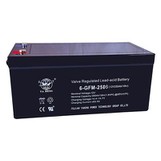
In the realm of network equipment setups, reliability and continuity are paramount. As a supplier of UPS Power Stations, I've witnessed firsthand the growing interest in leveraging these devices to safeguard network infrastructure. This blog aims to explore the viability of using a UPS Power Station in a network equipment setup, delving into the technical aspects, benefits, and considerations.
Technical Compatibility
Before integrating a UPS Power Station into a network equipment setup, it's crucial to assess its technical compatibility. Network equipment, such as routers, switches, and servers, typically operate on specific power requirements, including voltage, frequency, and power capacity. A UPS Power Station must be capable of providing a stable and consistent power supply that matches these requirements.
Most modern UPS Power Stations are designed to support a wide range of input and output voltages, making them compatible with various network equipment. They also feature advanced power management systems that can regulate voltage and frequency, ensuring a clean and reliable power source. Additionally, UPS Power Stations come in different power capacities, allowing users to select the appropriate unit based on the power consumption of their network equipment.
Benefits of Using a UPS Power Station
One of the primary benefits of using a UPS Power Station in a network equipment setup is protection against power outages. In the event of a sudden power loss, a UPS Power Station can provide immediate backup power, allowing network equipment to continue operating for a limited period. This is particularly important for critical network infrastructure, such as data centers and server rooms, where even a brief interruption in power can result in significant data loss and downtime.
Another advantage of using a UPS Power Station is protection against power surges and spikes. Power surges can occur due to lightning strikes, electrical faults, or sudden changes in the electrical grid. These surges can damage network equipment, leading to costly repairs and replacements. A UPS Power Station can act as a buffer, absorbing and diverting excess voltage, protecting network equipment from damage.
In addition to power protection, a UPS Power Station can also improve the overall performance and reliability of network equipment. By providing a stable and consistent power supply, a UPS Power Station can reduce the risk of hardware failures and system crashes. This can result in increased productivity, reduced downtime, and lower maintenance costs.
Considerations for Using a UPS Power Station
While a UPS Power Station can offer significant benefits in a network equipment setup, there are several considerations to keep in mind. One of the most important considerations is the runtime of the UPS Power Station. The runtime refers to the amount of time the UPS Power Station can provide backup power to network equipment. The runtime of a UPS Power Station depends on several factors, including the power capacity of the unit, the power consumption of the network equipment, and the type of battery used.
It's important to select a UPS Power Station with a runtime that is sufficient to meet the needs of your network equipment. For critical network infrastructure, such as data centers and server rooms, it's recommended to choose a UPS Power Station with a runtime of at least 30 minutes to several hours. This will provide enough time to safely shut down network equipment or transfer operations to a backup power source.
Another consideration is the maintenance and replacement of the UPS Power Station's battery. The battery is the most critical component of a UPS Power Station, and its performance can degrade over time. It's important to follow the manufacturer's recommendations for battery maintenance, including regular inspections, testing, and replacement. Failure to maintain the battery can result in reduced runtime, decreased performance, and even battery failure.
Applications of UPS Power Stations in Network Equipment Setups
UPS Power Stations can be used in a variety of network equipment setups, including small office/home office (SOHO) networks, medium-sized business networks, and large enterprise networks. In a SOHO network, a UPS Power Station can provide backup power to a router, modem, and other network devices, ensuring uninterrupted internet access during power outages. In a medium-sized business network, a UPS Power Station can protect critical network infrastructure, such as servers, switches, and firewalls, from power failures and surges. In a large enterprise network, multiple UPS Power Stations can be used in a redundant configuration to provide high availability and reliability.
In addition to traditional network equipment setups, UPS Power Stations can also be used in emerging applications, such as Camping Power Battery, UPS Power Bank, and RV Power. These applications require a portable and reliable power source that can provide backup power to electronic devices, such as laptops, smartphones, and tablets. A UPS Power Station can meet these requirements, providing a convenient and efficient solution for powering electronic devices on the go.
Conclusion
In conclusion, a UPS Power Station can be a valuable addition to a network equipment setup, providing protection against power outages, surges, and spikes, improving the overall performance and reliability of network equipment, and ensuring uninterrupted operation during critical periods. However, it's important to carefully assess the technical compatibility, runtime, and maintenance requirements of a UPS Power Station before integrating it into a network equipment setup. By selecting the right UPS Power Station and following the manufacturer's recommendations for installation, maintenance, and operation, users can maximize the benefits of this technology and ensure the long-term reliability and performance of their network infrastructure.
If you're interested in learning more about our UPS Power Stations or discussing your specific network equipment setup requirements, please don't hesitate to contact us. We're here to help you find the right solution for your needs and ensure the reliability and continuity of your network infrastructure.


References
- "UPS Power Supply Basics," Schneider Electric.
- "How to Choose the Right UPS for Your Network," TechTarget.
- "Power Protection for Network Equipment," APC by Schneider Electric.