

Can a UPS power bank charge a refrigerator? This is a question that many of us, especially those in search of reliable power solutions, often ponder. As a supplier of UPS power banks, I've encountered this query numerous times. In this blog post, I'll delve into the technical aspects, practical considerations, and real - world implications of using a UPS power bank to charge a refrigerator.
Understanding the Basics: UPS Power Banks and Refrigerators
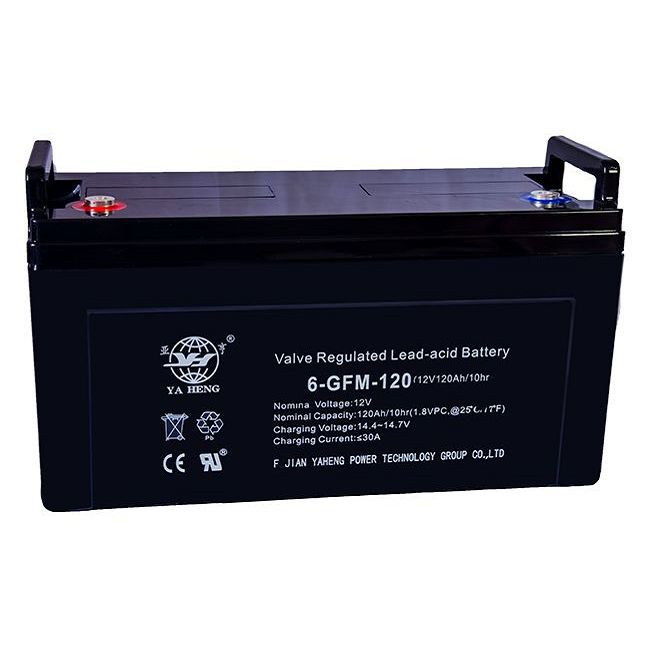
First, let's understand what a UPS power bank is. A UPS, or Uninterruptible Power Supply, power bank is a device designed to provide emergency power when the main power source fails. It stores electrical energy in its battery and can be used to power various electronic devices. These power banks come in different capacities, measured in watt - hours (Wh) or ampere - hours (Ah).

On the other hand, refrigerators are essential household appliances that require a continuous power supply to keep food and beverages cold. They consume a significant amount of power, especially when the compressor starts up. The power consumption of a refrigerator varies depending on its size, type, and energy efficiency rating.
Technical Feasibility
To determine if a UPS power bank can charge a refrigerator, we need to consider two main factors: power output and capacity.
Power Output
The power output of a UPS power bank is usually specified in watts. To run a refrigerator, the UPS power bank must be able to provide enough power to meet the refrigerator's starting and running wattage requirements. The starting wattage of a refrigerator is typically higher than its running wattage because the compressor needs a large surge of power to start. For example, a small refrigerator might have a running wattage of around 100 - 200 watts, but its starting wattage could be 300 - 600 watts.
Most standard UPS power banks have power outputs ranging from a few hundred watts to a couple of thousand watts. If the power output of the UPS power bank is lower than the refrigerator's starting wattage, it won't be able to start the refrigerator's compressor, and the refrigerator won't run.
Capacity
Even if the UPS power bank can provide enough power to start and run the refrigerator, its capacity also matters. The capacity determines how long the UPS power bank can keep the refrigerator running. A larger capacity means a longer runtime. For instance, if a refrigerator consumes 150 watts continuously and a UPS power bank has a capacity of 1000 Wh, in theory, it could power the refrigerator for approximately 6.67 hours (1000 Wh / 150 W). However, in reality, there are losses due to the conversion efficiency of the UPS power bank, so the actual runtime will be shorter.
Practical Considerations
Cost - Effectiveness
Using a UPS power bank to charge a refrigerator can be expensive. UPS power banks with high enough power output and capacity to run a refrigerator are often costly. Additionally, if you rely on a UPS power bank for extended periods, you'll need to recharge it regularly, which also incurs electricity costs.
Portability and Size
Some people might consider using a UPS power bank for a refrigerator in a mobile setting, such as in an RV or a camper. In such cases, the size and portability of the UPS power bank are crucial. There are specialized RV Power and Camper Power Bank options available that are designed to be more compact and suitable for mobile use. However, these may still have limitations in terms of power output and capacity compared to larger, stationary UPS power banks.
Battery Life and Maintenance
The battery in a UPS power bank has a limited lifespan. Frequent deep discharges, which can occur when trying to power a high - power device like a refrigerator, can shorten the battery's life. Regular maintenance, such as checking the battery's state of charge and ensuring proper ventilation, is also necessary to keep the UPS power bank in good working condition.
Real - World Scenarios
Emergency Situations
In a short - term power outage, a UPS power bank can be a useful solution to keep a refrigerator running for a few hours. This can prevent food spoilage and ensure that essential medications stored in the refrigerator remain at the proper temperature. However, for longer outages, it may not be practical to rely solely on a UPS power bank.
Off - Grid Living
For those living off - grid, a combination of a UPS power bank and other power sources like solar panels or generators might be used to power a refrigerator. In this case, the UPS power bank can act as a buffer, providing power during periods when the other power sources are not sufficient.
Our UPS Power Bank Solutions
As a UPS power bank supplier, we offer a wide range of products to meet different needs. Our power banks are designed with high - quality components to ensure reliable performance. We have models with various power outputs and capacities, suitable for different applications, whether it's for home use, RV Power, or Camping Power Battery needs.
If you're considering using a UPS power bank to charge a refrigerator, our team of experts can help you select the right product. We can provide detailed information about power output, capacity, and runtime based on your specific refrigerator's requirements.
Conclusion
In conclusion, while it is technically possible for a UPS power bank to charge a refrigerator, there are many factors to consider. The power output and capacity of the UPS power bank must be sufficient to meet the refrigerator's needs, and practical considerations such as cost - effectiveness, portability, and battery life also play important roles.
If you're interested in exploring our UPS power bank solutions for your refrigerator or other power needs, we invite you to contact us for a detailed discussion. We're here to help you find the best power solution for your situation.
References
- "Understanding Refrigerator Power Consumption." Energy Star.
- "How UPS Systems Work." Electrical Engineering Handbook.


