

Hey there! As a power cabinet supplier, I often get asked about the power storage capacity of power cabinets. It's a crucial topic, especially for those looking to set up reliable power systems, whether it's for on-line use, wind power, or home applications. So, let's dive right in and explore what the power storage capacity of a power cabinet really means and how it can impact your power needs.
First off, what exactly is a power cabinet? Well, it's like a big box that houses all the components needed to store and distribute electrical power. It's designed to protect the equipment inside from environmental factors like dust, moisture, and temperature changes. Power cabinets can be used in a variety of settings, from small residential homes to large industrial complexes.
Now, let's talk about power storage capacity. This is basically the amount of electrical energy that a power cabinet can store. It's usually measured in kilowatt-hours (kWh). The higher the kWh rating, the more energy the cabinet can store. But how do you figure out how much storage capacity you need?
It all depends on your specific power requirements. For example, if you're using a On-line Power System, which provides continuous power to critical equipment, you'll need a power cabinet with a relatively high storage capacity. This ensures that in case of a power outage, your equipment can keep running for a sufficient amount of time until the main power is restored.
On the other hand, if you're using a Wind Power System, the storage capacity requirements might be different. Wind power is intermittent, meaning it doesn't produce electricity all the time. So, you'll need a power cabinet that can store the excess energy generated during windy periods and release it when the wind isn't blowing.
For a House Power System, the storage capacity will depend on your household's energy consumption. If you have a lot of electrical appliances and use a lot of power, you'll need a larger power cabinet. But if you're more energy-efficient and have a smaller power demand, a smaller cabinet might be sufficient.
There are several factors that can affect the power storage capacity of a power cabinet. One of the most important is the type of battery used. Different types of batteries have different energy densities, which means they can store different amounts of energy per unit volume. For example, lithium-ion batteries are known for their high energy density, which means they can store a lot of energy in a relatively small space. Lead-acid batteries, on the other hand, have a lower energy density but are often more affordable.
Another factor is the size of the power cabinet. Obviously, a larger cabinet can accommodate more batteries, which means it can have a higher storage capacity. However, you also need to consider the available space and the cost of the cabinet. You don't want to buy a huge cabinet if you don't really need all that storage capacity.
The charging and discharging efficiency of the battery also plays a role. If the battery has a high charging and discharging efficiency, it means that more of the energy stored in the battery can be used effectively. This can increase the overall usable storage capacity of the power cabinet.
So, how do you calculate the power storage capacity you need? Here's a simple way to do it. First, figure out your average daily energy consumption in kilowatt-hours. You can do this by looking at your electricity bills or using an energy monitoring device. Then, decide how many hours of backup power you want in case of a power outage. Multiply your average daily energy consumption by the number of backup hours to get the total energy storage capacity you need.
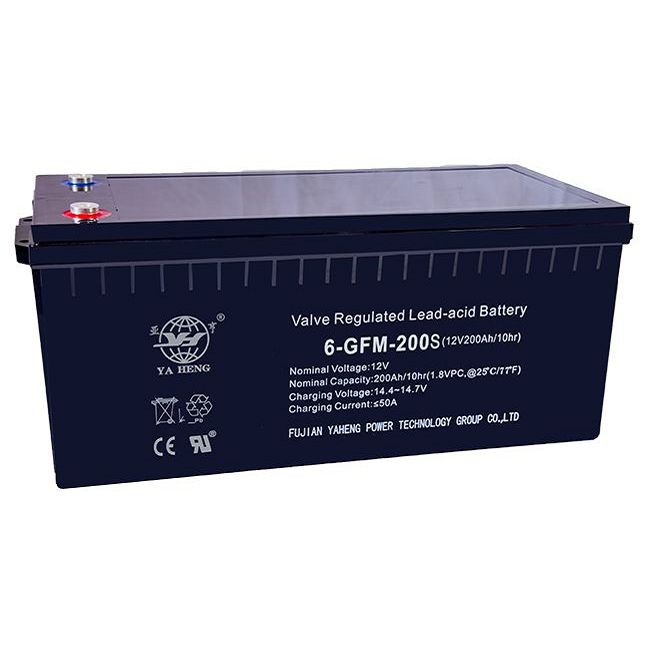

For example, if your average daily energy consumption is 10 kWh and you want 5 hours of backup power, you'll need a power cabinet with a storage capacity of at least 50 kWh. Keep in mind that this is just a rough estimate, and you may need to adjust it based on other factors like the efficiency of your equipment and the type of battery used.
When choosing a power cabinet, it's also important to consider the quality and reliability of the product. You want a cabinet that is well-built and can withstand the rigors of daily use. Look for a supplier that offers high-quality components and has a good reputation in the industry.
As a power cabinet supplier, I can tell you that we offer a wide range of power cabinets with different storage capacities to meet the needs of various customers. Whether you're looking for a small cabinet for your home or a large one for an industrial application, we've got you covered.
If you're interested in learning more about our power cabinets or have any questions about power storage capacity, feel free to reach out to us. We'd be happy to help you find the right solution for your power needs. Just start a conversation with us, and we can discuss your requirements in detail.
In conclusion, the power storage capacity of a power cabinet is a crucial factor to consider when setting up a power system. By understanding your power requirements and the factors that affect storage capacity, you can choose the right power cabinet for your needs. And if you're in the market for a power cabinet, don't hesitate to contact us. We're here to provide you with the best products and services to ensure your power system runs smoothly.
References
- General knowledge of power systems and battery technologies.
- Industry standards and guidelines for power cabinet design and installation.


