Hey there! As a supplier of telecom batteries, I often get asked about the maximum discharge depth of a telecom battery. It's a crucial topic, especially for those in the telecom industry who rely on these batteries to keep their systems up and running. So, let's dive right in and explore this topic in detail.
First off, what exactly is the discharge depth of a battery? Simply put, it's the amount of energy that's been taken out of the battery relative to its total capacity. For instance, if a battery has a capacity of 100 amp - hours (Ah) and 50 Ah has been discharged, the discharge depth is 50%.
Now, the maximum discharge depth of a telecom battery can vary quite a bit depending on several factors. One of the most important factors is the type of battery. The two main types of batteries used in telecom applications are lead - acid batteries and lithium - ion batteries, and they have different maximum discharge depths.
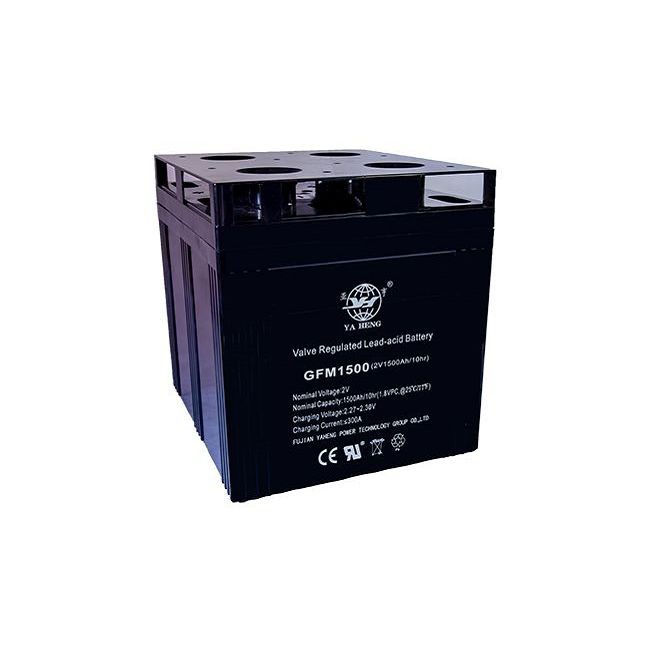
Let's start with lead - acid batteries. These are the more traditional type of batteries used in telecom setups. They've been around for a long time and are well - known for their reliability. Generally, for a lead - acid battery, the recommended maximum discharge depth is around 50% to 80%. Why is that? Well, lead - acid batteries are sensitive to deep discharges. If you discharge them too deeply, it can cause sulfation. Sulfation is when lead sulfate crystals form on the battery plates. These crystals can reduce the battery's capacity and overall lifespan. So, if you want your lead - acid telecom battery to last a long time, it's best not to push it beyond that 50% - 80% discharge range.
On the other hand, lithium - ion batteries have a different story. They're becoming more and more popular in telecom applications because of their high energy density and longer lifespan. Lithium - ion batteries can typically handle a much deeper discharge. In many cases, the maximum discharge depth for lithium - ion telecom batteries can be up to 90% or even more. That's a significant advantage over lead - acid batteries. Lithium - ion batteries are more resilient to deep discharges and don't suffer from sulfation like lead - acid batteries do.
Another factor that affects the maximum discharge depth is the battery's age. As a battery gets older, its ability to handle deep discharges decreases. An older battery, whether it's lead - acid or lithium - ion, might not be able to handle the same discharge depth as a brand - new one. So, it's important to keep an eye on the age of your telecom batteries and adjust your usage accordingly.
The operating temperature also plays a role. Batteries perform differently at different temperatures. In general, higher temperatures can increase the battery's performance in the short term but can also reduce its lifespan if exposed for a long time. At lower temperatures, the battery's capacity decreases, and it might not be able to handle as deep a discharge as it can at normal temperatures.
Now, why is knowing the maximum discharge depth so important in the telecom industry? Well, telecom systems need to be reliable 24/7. These systems include Telecom Power System, Telecom Battery Bank, and Teleom Power Station. If the batteries are discharged too deeply, they might not be able to provide enough power when needed, which could lead to system failures. This can result in downtime, lost revenue, and unhappy customers.
For example, in a Telecom Battery Bank, if the batteries are discharged beyond their maximum recommended depth, the entire bank might not be able to function properly. This could disrupt communication services, which is a big no - no in the telecom world.
As a telecom battery supplier, I always recommend that my customers monitor the discharge depth of their batteries closely. There are various battery management systems available that can help with this. These systems can track the battery's state of charge, voltage, and other important parameters. By using these systems, you can ensure that your batteries are never discharged beyond their safe limits.
If you're thinking about upgrading or replacing your telecom batteries, it's important to consider the maximum discharge depth. If you need a battery that can handle deep discharges, a lithium - ion battery might be a better choice. However, if you're on a budget and need a reliable option, a lead - acid battery could still work well, as long as you're careful about not over - discharging it.

In conclusion, the maximum discharge depth of a telecom battery depends on the battery type, its age, and the operating conditions. For lead - acid batteries, it's generally between 50% - 80%, while lithium - ion batteries can handle up to 90% or more. Monitoring the discharge depth is crucial for the reliable operation of telecom systems.
If you're in the market for telecom batteries or have any questions about battery discharge depth, feel free to reach out. We're here to help you make the best choice for your telecom power needs. Whether you're looking for a single battery or a whole Telecom Battery Bank, we've got you covered. Let's have a chat and see how we can work together to keep your telecom systems powered up and running smoothly.
References
- Battery University: A comprehensive resource on battery technology and usage.
- Industry reports on telecom battery performance and reliability.