

Hey there, fellow motorcycle enthusiasts! As a motorcycle battery supplier, I get a ton of questions about lithium-ion motorcycle batteries. One of the most common ones is, "What's the charging process for a lithium-ion motorcycle battery?" Well, buckle up because I'm gonna break it down for you.
Understanding Lithium-Ion Motorcycle Batteries
First things first, let's talk a bit about what makes lithium-ion motorcycle batteries so great. These batteries are lightweight, have a high energy density, and can deliver a consistent amount of power. They also have a longer lifespan compared to traditional lead-acid batteries. But, like any battery, they need to be charged properly to ensure they perform at their best.
The Basics of Charging
The charging process for a lithium-ion motorcycle battery is a bit different from other types of batteries. You can't just hook it up to any charger and expect it to work. Lithium-ion batteries require a charger specifically designed for them. These chargers are designed to control the charging process and prevent overcharging, which can damage the battery.
Step 1: Preparation
Before you start charging your lithium-ion motorcycle battery, you need to make sure it's in a safe place. The battery should be placed on a flat, non-flammable surface away from any heat sources or open flames. You also want to make sure the charger is in good condition and is compatible with your battery.
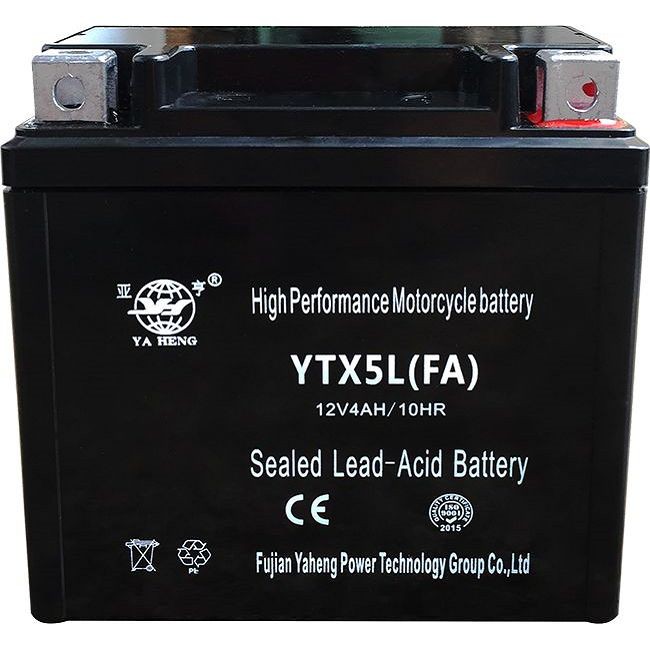

Step 2: Connecting the Charger
Once you've got everything set up, it's time to connect the charger to the battery. Most lithium-ion motorcycle batteries have two terminals: a positive (+) and a negative (-). Make sure you connect the charger's positive lead to the battery's positive terminal and the negative lead to the negative terminal. It's super important to get this right because connecting the leads incorrectly can damage the battery or the charger.
Step 3: The Charging Process
When you first connect the charger, it will start the charging process. The charger will monitor the battery's voltage and adjust the charging current accordingly. In the beginning, the charger will deliver a high current to quickly charge the battery. As the battery gets closer to full charge, the charger will reduce the current to prevent overcharging.
This process is called "constant current, constant voltage" (CC-CV) charging. During the constant current phase, the charger maintains a steady current flow until the battery reaches a certain voltage. Then, during the constant voltage phase, the charger maintains a steady voltage while the current gradually decreases as the battery becomes fully charged.
Step 4: Monitoring the Charge
While the battery is charging, it's a good idea to keep an eye on it. Most chargers have a built-in indicator that shows the charging status. You can also use a multimeter to check the battery's voltage. A fully charged lithium-ion motorcycle battery should have a voltage of around 13.6 to 13.8 volts.
Step 5: Disconnecting the Charger
Once the battery is fully charged, it's time to disconnect the charger. Make sure you turn off the charger first and then disconnect the leads from the battery. It's a good idea to store the charger in a safe place and keep it clean for future use.
Tips for Charging Lithium-Ion Motorcycle Batteries
- Use the Right Charger: As I mentioned earlier, using a charger specifically designed for lithium-ion batteries is crucial. Using the wrong charger can damage the battery and even pose a safety risk. You can check out our Start Battery and GEL Starting Battery chargers, which are designed to work perfectly with our batteries.
- Don't Overcharge: Overcharging a lithium-ion battery can cause it to overheat, swell, or even catch fire. That's why it's important to use a charger with a built-in overcharge protection feature.
- Charge in a Cool Place: High temperatures can reduce the lifespan of a lithium-ion battery. Try to charge your battery in a cool, well-ventilated area.
- Don't Let the Battery Completely Discharge: Lithium-ion batteries don't like to be completely discharged. If you let the battery drain too low, it can damage the battery and reduce its capacity. Try to recharge the battery before it gets below 20% charge.
Common Charging Issues and Solutions
Sometimes, you might run into some issues during the charging process. Here are some common problems and how to fix them:
- The Charger Won't Turn On: Check to make sure the charger is plugged in properly and that the power outlet is working. If the charger still won't turn on, it might be defective, and you should contact the manufacturer.
- The Battery Isn't Charging: First, make sure the charger is connected correctly to the battery. If the connections are okay, the battery might be damaged or have reached the end of its lifespan. You can try using a different charger to see if that solves the problem.
- The Battery Is Overheating: If the battery gets too hot during charging, stop the charging process immediately. Overheating can be a sign of a problem with the battery or the charger. Let the battery cool down and then check the charger and the battery for any signs of damage.
Conclusion
So, there you have it, the charging process for a lithium-ion motorcycle battery. It's not too complicated, but it's important to follow the steps carefully to ensure the safety and longevity of your battery.
If you're in the market for a new motorcycle battery or have any questions about charging, we're here to help. We're a leading motorcycle battery supplier, and we offer a wide range of high-quality lithium-ion batteries, including GEL Start Battery. Whether you're a weekend rider or a professional racer, we've got the battery for you.
If you're interested in learning more or want to place an order, don't hesitate to reach out to us. We're always happy to chat and help you find the perfect battery for your motorcycle.
References
- Linden, D., & Reddy, T. B. (2002). Handbook of Batteries. McGraw-Hill.
- Berndt, D. (2011). Batteries for Load-Leveling and Electric Vehicles. Wiley-VCH.


