

As a reputable motorcycle battery supplier, I've had the privilege of witnessing the transformative power of high - quality batteries in enhancing the performance of motorcycles. Among the various types of motorcycle batteries, gel motorcycle batteries have emerged as a popular choice due to their unique features and benefits. In this blog, I'll delve into the charging process for a gel motorcycle battery, offering insights that can help motorcycle enthusiasts and professionals alike get the most out of these batteries.
Understanding Gel Motorcycle Batteries
Before we jump into the charging process, it's essential to understand what a gel motorcycle battery is. Gel batteries are a type of valve - regulated lead - acid (VRLA) battery. Unlike traditional flooded lead - acid batteries, gel batteries use a silica gel electrolyte that immobilizes the sulfuric acid. This design offers several advantages, including a spill - proof construction, reduced maintenance requirements, and a longer lifespan.
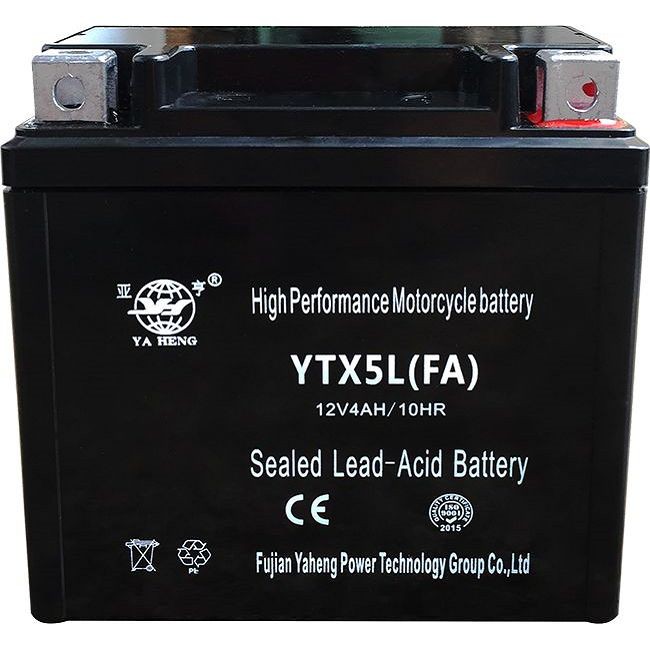
Gel batteries are commonly used as GEL Start Battery and Starting Battery. They are well - suited for motorcycles because they can withstand vibration and shock better than other battery types, making them ideal for the rough and tumble of the road.

Pre - charging Checks
Before you start charging a gel motorcycle battery, there are a few important pre - charging checks you should perform. First, visually inspect the battery for any signs of damage, such as cracks, leaks, or bulges. A damaged battery can be dangerous to charge and may not function properly even if charged.
Next, check the battery terminals for corrosion. Corroded terminals can impede the flow of electricity and prevent the battery from charging correctly. If you notice corrosion, you can clean the terminals using a mixture of baking soda and water. Apply the solution to the terminals with a brush, scrub gently, and then rinse with clean water. Make sure the terminals are completely dry before proceeding with the charging process.
It's also a good idea to measure the battery's voltage using a multimeter. A fully charged gel motorcycle battery typically has a voltage of around 12.6 to 12.8 volts. If the voltage is significantly lower, it indicates that the battery is discharged and needs to be charged.
Selecting the Right Charger
Choosing the correct charger is crucial for charging a gel motorcycle battery safely and effectively. Gel batteries require a charger specifically designed for gel batteries. These chargers have a charging profile that is tailored to the unique characteristics of gel batteries.
A gel battery charger typically has a lower charging voltage and a more controlled charging current compared to chargers for other types of lead - acid batteries. Using the wrong charger can overcharge the battery, which can cause the electrolyte to break down, leading to premature battery failure.
When selecting a charger, pay attention to the charger's amperage rating. A charger with a low amperage rating (e.g., 1 - 2 amps) is suitable for slow, trickle charging, which is ideal for maintaining the battery's charge over a long period. A charger with a higher amperage rating (e.g., 5 - 10 amps) can be used for faster charging, but it should be used with caution to avoid overcharging.
The Charging Process
Once you've completed the pre - charging checks and selected the right charger, you're ready to start the charging process. Here's a step - by - step guide on how to charge a gel motorcycle battery:
- Connect the Charger: First, turn off the charger to avoid any electrical shocks. Then, connect the charger's positive (red) clamp to the battery's positive terminal and the negative (black) clamp to the battery's negative terminal. Make sure the clamps are securely attached to the terminals.
- Set the Charging Parameters: If your charger allows you to adjust the charging parameters, set them according to the manufacturer's recommendations for gel batteries. This may include setting the charging voltage and current.
- Start the Charger: Once the charger is connected and the parameters are set, turn on the charger. The charger will start supplying electricity to the battery. You may notice that the charger's indicator lights show the charging status.
- Monitor the Charging Process: It's important to monitor the charging process closely. Check the charger regularly to ensure that it is functioning properly and that the battery is not overheating. Overheating can be a sign of overcharging or a problem with the charger.
- Charging Time: The charging time for a gel motorcycle battery depends on several factors, including the battery's capacity, the level of discharge, and the charger's amperage rating. A fully discharged battery may take several hours to charge. For example, a small gel motorcycle battery with a capacity of around 10 Ah may take 4 - 6 hours to charge using a 2 - amp charger.
- Charging Completion: When the charger indicates that the battery is fully charged, turn off the charger. Then, disconnect the charger from the battery, starting with the negative clamp and then the positive clamp.
Post - charging Checks
After the battery is charged, there are a few post - charging checks you should perform. First, measure the battery's voltage again using a multimeter. A fully charged gel motorcycle battery should have a voltage of around 12.6 to 12.8 volts.
Next, check the battery terminals for any signs of overheating or damage. If the terminals are hot to the touch or show signs of melting, it could indicate a problem with the charging process.
Finally, reinstall the battery in your motorcycle and start the engine to make sure the battery is working properly. If the engine starts smoothly and the electrical systems in your motorcycle are functioning correctly, it means the battery has been charged successfully.
Maintenance Charging
To keep your gel motorcycle battery in good condition, it's important to perform maintenance charging regularly. Even if you don't use your motorcycle frequently, the battery will gradually lose its charge over time. A maintenance charger, also known as a trickle charger, can be used to keep the battery topped up.
A maintenance charger supplies a small amount of current to the battery continuously, preventing it from self - discharging. This helps to extend the battery's lifespan and ensures that it is always ready to use when you need it.
Troubleshooting
If you encounter problems during the charging process, such as the battery not charging or overheating, there are a few troubleshooting steps you can take. First, double - check that you are using the correct charger for the gel battery. Using the wrong charger can cause a variety of problems.
If the battery is not charging, check the charger's connections to make sure they are secure. You can also try resetting the charger by turning it off and then on again. If the problem persists, it may be a sign of a faulty battery or charger, and you should seek professional assistance.
Conclusion
Charging a gel motorcycle battery is a straightforward process if you follow the right steps. By performing pre - charging checks, selecting the right charger, and monitoring the charging process closely, you can ensure that your gel motorcycle battery is charged safely and effectively.
As a motorcycle battery supplier, we are committed to providing high - quality GEL Motorcycle Battery and offering expert advice on battery care and maintenance. If you have any questions about charging gel motorcycle batteries or are interested in purchasing our products, we invite you to contact us for more information and to discuss your specific needs. We look forward to helping you keep your motorcycle running smoothly with our top - notch batteries.
References
- Battery University: A comprehensive resource for battery technology and charging information.
- Motorcycle Manufacturer's Manuals: Provide detailed information on battery maintenance and charging for specific motorcycle models.


