

A power converter for an RV, or recreational vehicle, is an essential component that plays a pivotal role in ensuring a seamless and comfortable power supply during your travels. As an RV Power supplier, I've witnessed firsthand the significance of these converters in enhancing the overall camping and traveling experience. In this blog, we'll delve into what an RV power converter is, how it works, its different types, and why it's a must - have for any RV enthusiast.
What is an RV Power Converter?
An RV power converter is a device that takes the AC (alternating current) power from an external source, such as a campground hookup or a generator, and converts it into DC (direct current) power. In an RV, many of the essential systems, including the lighting, water pump, and the battery charging system, operate on DC power. Without a power converter, these systems wouldn't be able to function properly when connected to an AC power source.
Think of it as a translator between two different power languages. AC power is the type of electricity that comes from the grid, which alternates its direction of flow. On the other hand, DC power flows in a single direction and is what most of the RV's internal electrical components require. The power converter bridges this gap, making it possible for your RV to run efficiently.
How Does an RV Power Converter Work?
The basic principle behind an RV power converter is relatively straightforward. When you plug your RV into an AC power source, the converter steps down the high - voltage AC power to a lower, more manageable voltage. It then rectifies the AC power, converting it into DC power.
Most RV power converters use a series of diodes, capacitors, and transformers to achieve this conversion. Diodes are used to allow the current to flow in only one direction, effectively converting the alternating current into a pulsating direct current. Capacitors are then used to smooth out this pulsating DC, providing a more stable power supply. Transformers help in adjusting the voltage to the appropriate level for the RV's electrical systems.
Types of RV Power Converters
There are several types of RV power converters available in the market, each with its own set of features and benefits.
Basic Converters
These are the most common and affordable type of RV power converters. They are designed to provide a basic level of DC power conversion. While they can meet the basic electrical needs of an RV, such as powering lights and charging the battery, they may not be as efficient or reliable as more advanced models. Basic converters often have a fixed output voltage and may not be able to adjust to different battery types or charging requirements.
Smart Converters
Smart converters, also known as multi - stage converters, are a step up from basic converters. They are equipped with advanced technology that allows them to adjust the charging rate based on the state of the battery. For example, when the battery is deeply discharged, the converter will provide a high - current charge to quickly replenish the battery. As the battery approaches full charge, the converter will reduce the charging current to prevent overcharging. This not only extends the life of the battery but also ensures a more efficient charging process.
Inverter/Converters
Inverter/converters are a combination of a power converter and an inverter. In addition to converting AC power to DC power, they can also convert DC power from the RV's battery into AC power. This is particularly useful when you're not connected to an external AC power source. For example, you can use an inverter/converter to power AC appliances, such as a microwave or a TV, using the power stored in your RV's battery. You can explore more about power solutions like Camper Power Station and UPS Power Bank which can work in conjunction with your RV power converter.
Why is an RV Power Converter Important?
Battery Charging
One of the primary functions of an RV power converter is to charge the RV's battery. When you're connected to an AC power source, the converter ensures that the battery is charged properly. A well - charged battery is essential for powering your RV's electrical systems when you're not connected to an external power source. Without a power converter, your battery would quickly run out of charge, leaving you without power for essential functions like lighting and water pumping.
Electrical System Functionality
As mentioned earlier, many of the RV's electrical systems operate on DC power. The power converter provides the necessary DC power to keep these systems running smoothly. Whether it's the interior lights, the water pump, or the entertainment system, a reliable power converter is crucial for ensuring that all these systems function as intended.
Comfort and Convenience
An RV is meant to provide a comfortable and convenient living space while on the road. A properly functioning power converter allows you to enjoy all the amenities of your RV, such as air conditioning, heating, and cooking appliances. It ensures that you can have a home - away - from - home experience, no matter where you are.
Choosing the Right RV Power Converter
When choosing an RV power converter, there are several factors to consider.
Power Output
The power output of the converter is measured in amps. You need to choose a converter that can provide enough power to meet the electrical demands of your RV. Consider the number and type of electrical appliances you'll be using, as well as the charging requirements of your battery.
Battery Compatibility
Make sure the converter is compatible with the type of battery you have in your RV. Different batteries, such as lead - acid, AGM, or lithium - ion batteries, have different charging requirements. A converter that is not compatible with your battery type may not charge the battery properly or could even damage it.
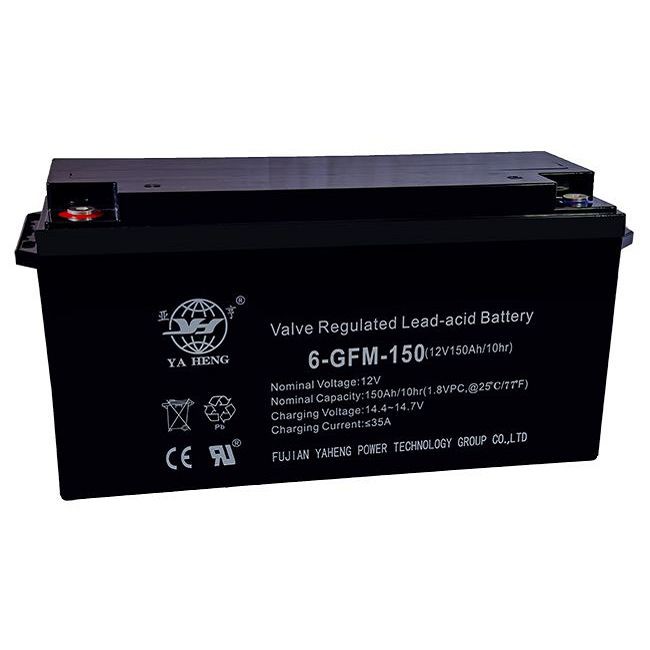

Quality and Reliability
Investing in a high - quality power converter is essential for long - term reliability. Look for converters from reputable manufacturers that offer a warranty. Read reviews from other RV owners to get an idea of the converter's performance and durability. You can find a wide range of reliable RV Power solutions on our website.
Maintenance and Troubleshooting
Proper maintenance of your RV power converter is crucial for its longevity and performance. Here are some maintenance tips:
- Regular Inspections: Check the converter for any signs of damage, such as loose connections, frayed wires, or overheating. Make sure all the components are clean and free from dust and debris.
- Battery Maintenance: Keep your RV's battery in good condition. A well - maintained battery will put less stress on the power converter. Check the battery's water level (if it's a lead - acid battery) and charge it regularly.
If you encounter any problems with your power converter, such as a lack of power or overheating, it's important to troubleshoot the issue promptly. Start by checking the power source and the connections. If the problem persists, it may be a sign of a more serious issue, and you may need to consult a professional.
Conclusion
An RV power converter is an indispensable part of any RV. It ensures that your RV's electrical systems function properly, provides a reliable power supply, and extends the life of your battery. As an RV Power supplier, we understand the importance of having a high - quality power converter. Whether you're a seasoned RV traveler or a newbie, choosing the right power converter can make a significant difference in your overall experience.
If you're interested in learning more about our RV power products or are looking to purchase a power converter for your RV, we invite you to contact us for a detailed discussion. Our team of experts is always ready to assist you in finding the perfect power solution for your needs. Let's work together to make your RV adventures more comfortable and enjoyable.
References
- "RV Electrical Systems: A Comprehensive Guide" by RVing World Magazine
- "Power Conversion Technologies for Recreational Vehicles" by Electrical Engineering Journal


