

Hey there! As a storage battery supplier, I've seen my fair share of batteries in all sorts of conditions. Today, I wanna talk about the signs of a bad storage battery. Whether you're using a Camping Power Battery for your outdoor adventures, a Camper Power Station during your road trips, or a UPS Power Bank to keep your devices running during power outages, it's crucial to know when your battery is on the fritz.
1. Reduced Capacity
One of the most obvious signs of a bad storage battery is a reduced capacity. You know, when you used to be able to get a full day's use out of your battery, but now it barely lasts a few hours. This can be really frustrating, especially if you're relying on the battery for something important.
The capacity of a battery is measured in ampere - hours (Ah). Over time, due to normal wear and tear, the chemical reactions inside the battery become less efficient. This means that the battery can't store as much charge as it used to. For example, if you have a 100Ah battery and you notice that it can only hold 50Ah of charge, it's a clear indication that something's wrong.
There are a few reasons why a battery's capacity might decrease. One common cause is overcharging. When a battery is overcharged, the electrolyte inside can break down, and the plates can become damaged. Another cause is deep discharging. If you regularly discharge your battery to very low levels, it can also lead to a reduction in capacity.

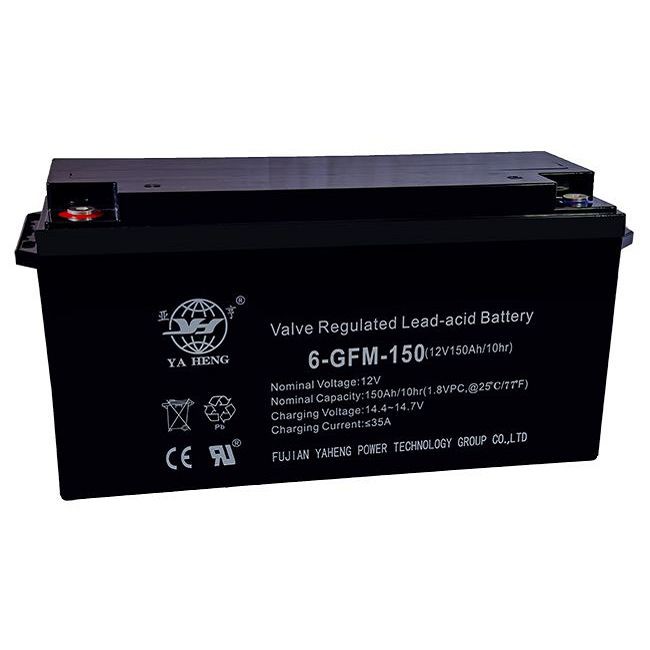
2. Slow Charging
Is your battery taking forever to charge? That's another sign that it might be going bad. A healthy battery should charge relatively quickly, depending on the charger and the battery's capacity.
When a battery is slow to charge, it could be due to a few factors. First, the charger itself might be faulty. But if you've tested the charger with another battery and it works fine, then the problem is likely with the battery.
Internal resistance is often the culprit. As a battery ages, the internal resistance increases. This means that it takes more energy to push the charge into the battery, resulting in a slower charging time. You might notice that even if you leave your battery on the charger for hours, it only reaches a partial charge.
3. Swelling or Bulging
Take a good look at your battery. If you notice that it's swollen or bulging, this is a serious sign of a problem. Swelling usually occurs when there's excessive heat or pressure inside the battery.
This can be caused by overcharging, short - circuiting, or a manufacturing defect. When a battery swells, it's a sign that the internal structure has been damaged. The electrolyte might be boiling, and the plates could be warping. A swollen battery is not only less efficient but can also be dangerous. It could potentially leak or even explode in extreme cases. So, if you see any swelling, it's best to stop using the battery immediately.
4. Leaking Electrolyte
If you see a liquid oozing out of your battery, that's a major red flag. The electrolyte inside a battery is a corrosive substance, and it's not supposed to leak.
Leaking electrolyte can damage the battery itself and any devices that it's connected to. It can also be a health hazard if it comes into contact with your skin or eyes. There are a few reasons why a battery might leak. Poor sealing is one possibility. Over time, the seals on the battery can break down, allowing the electrolyte to escape. Another reason could be overcharging or physical damage to the battery.
The electrolyte can also change color when there's a problem. For example, if it turns a dark color or has a strange odor, it's likely that the battery is in a bad state.
5. Low Voltage Reading
You can use a voltmeter to check the voltage of your battery. A healthy battery should have a specific voltage range depending on its type. For example, a 12 - volt lead - acid battery should read around 12.6 volts when fully charged.
If you measure the voltage of your battery and it's significantly lower than the expected value, it's a sign that the battery is weak. A low voltage reading could be due to a number of factors, including a discharged battery, a faulty cell, or a problem with the charging system.
It's important to note that you should always measure the voltage when the battery is at rest, meaning it hasn't been charging or discharging for at least a few hours. This gives you a more accurate reading of the battery's state of charge.
6. Excessive Heat
Is your battery getting really hot during use or charging? This is not normal. A battery should generate some heat, but it should be within a reasonable range.
Excessive heat can be a sign of internal short - circuits or overloading. When there's a short - circuit inside the battery, the current flows in an abnormal way, generating a lot of heat. Overloading the battery by using a device that draws too much power can also cause it to overheat.
If you feel that your battery is too hot to touch, it's a clear indication that something's wrong. Continued overheating can further damage the battery and reduce its lifespan.
7. Erratic Performance
Do you notice that your battery works fine one minute and then suddenly loses power? This erratic performance is a sign that the battery is unreliable.
For example, you might be using a device powered by the battery, and it shuts off unexpectedly. Or the power might fluctuate, causing the device to malfunction. This could be due to a loose connection inside the battery or a problem with one of the cells.
In a multi - cell battery, if one cell fails, it can affect the performance of the entire battery. The other cells might have to work harder to compensate, leading to uneven charging and discharging.
8. Strange Noises
It might sound a bit odd, but if your battery is making strange noises, it's not a good sign. You might hear a hissing sound, which could indicate that there's a gas leak inside the battery. This is often a result of overcharging or an internal short - circuit.
A popping or crackling sound could also be a sign of trouble. These noises suggest that there are some violent chemical reactions happening inside the battery, which can lead to further damage.
Why It's Important to Spot These Signs
As a storage battery supplier, I understand how important it is for you to be able to spot these signs early. Using a bad battery can not only be inconvenient but also dangerous. A faulty battery can damage your devices, and in some cases, it can even pose a fire or explosion risk.
By being aware of these signs, you can take action before it's too late. You can either replace the battery or have it repaired if possible. And if you're in the market for a new battery, you know what to look out for to ensure that you're getting a high - quality product.
Contact Us for Quality Storage Batteries
If you're experiencing any of these issues with your current battery or you're looking to purchase a new one, we're here to help. We offer a wide range of Camping Power Battery, Camper Power Station, and UPS Power Bank options. Our batteries are tested to ensure high performance and reliability.
Don't let a bad battery ruin your plans. Contact us today to discuss your storage battery needs and let's work together to find the perfect solution for you.
References
- Battery University: A comprehensive resource on battery technology and maintenance.
- National Fire Protection Association (NFPA) reports on battery safety.
- Industry research papers on battery degradation and failure mechanisms.


