

Lithium-iron-phosphate (LiFePO4) telecom batteries have gained significant popularity in the telecommunications industry due to their high energy density, long cycle life, and enhanced safety features compared to traditional lead-acid batteries. As a telecom battery supplier, understanding the maintenance requirements for these batteries is crucial to ensure their optimal performance and longevity. In this blog post, I will delve into the key maintenance aspects of LiFePO4 telecom batteries.
1. Initial Installation and Commissioning
The first step in maintaining LiFePO4 telecom batteries starts with proper installation and commissioning. When installing these batteries, it is essential to follow the manufacturer's guidelines carefully. The installation environment should be clean, dry, and well-ventilated to prevent the accumulation of moisture and heat. The temperature range for installation should typically be between 0°C and 40°C.
During commissioning, a thorough inspection of the battery system is necessary. Check for any physical damage to the battery cells, connectors, and cables. Ensure that all connections are tight and secure to prevent loose connections, which can lead to increased resistance and potential overheating. It is also recommended to perform an initial charge and discharge cycle to activate the battery cells and check their performance.
2. Temperature Management
Temperature plays a critical role in the performance and lifespan of LiFePO4 telecom batteries. These batteries operate best within a specific temperature range, usually between 20°C and 30°C. High temperatures can accelerate the aging process of the battery cells, reduce their capacity, and increase the risk of thermal runaway. On the other hand, low temperatures can decrease the battery's efficiency and power output.

To maintain the optimal temperature, it is advisable to install the batteries in a Telecom Power Cabinet equipped with a temperature control system. This system can regulate the temperature inside the cabinet, ensuring that the batteries are kept within the recommended range. Additionally, proper ventilation is essential to dissipate heat generated during battery operation.
3. Charge Management
Proper charge management is vital for the health of LiFePO4 telecom batteries. These batteries require a specific charging profile to ensure full charging without overcharging. Overcharging can cause the battery cells to degrade rapidly, leading to reduced capacity and shortened lifespan.
A smart charger with a built-in battery management system (BMS) is recommended for charging LiFePO4 batteries. The BMS can monitor the battery's voltage, current, and temperature during charging and adjust the charging parameters accordingly. It can also prevent overcharging and over-discharging by automatically stopping the charging process when the battery reaches its full capacity or disconnecting the load when the battery voltage drops below a certain level.
It is also important to follow the recommended charging rate. Charging the battery too quickly can generate excessive heat and damage the battery cells. Typically, a charging rate of 0.2C to 0.5C is recommended for LiFePO4 batteries.
4. Discharge Management
Similar to charge management, proper discharge management is crucial for the longevity of LiFePO4 telecom batteries. Over-discharging can cause irreversible damage to the battery cells, reducing their capacity and lifespan.
The BMS can also play a significant role in discharge management. It can monitor the battery's state of charge (SOC) and prevent over-discharging by disconnecting the load when the battery voltage drops below a safe level. It is recommended to avoid discharging the battery below 20% of its full capacity to ensure its long-term health.
In addition, it is important to avoid deep discharges whenever possible. Frequent deep discharges can accelerate the aging process of the battery cells. Instead, try to maintain the battery's SOC between 20% and 80% for optimal performance.
5. Regular Inspection and Testing
Regular inspection and testing are essential to detect any potential issues with LiFePO4 telecom batteries early on. Visual inspections should be conducted periodically to check for any signs of physical damage, such as cracks, bulges, or leaks in the battery cells. Any damaged batteries should be replaced immediately to prevent further problems.
Electrical testing is also necessary to assess the battery's performance. This includes measuring the battery's voltage, current, and capacity. The results of these tests can provide valuable information about the battery's health and help identify any potential issues. For example, a significant decrease in capacity may indicate that the battery cells are deteriorating and need to be replaced.
6. Battery Equalization
Battery equalization is a process that helps to balance the state of charge of individual battery cells in a battery pack. Over time, the cells in a battery pack may become unbalanced, with some cells having a higher state of charge than others. This can lead to reduced battery performance and lifespan.
Periodic battery equalization is recommended to ensure that all cells in the battery pack are at the same state of charge. This can be achieved using a battery equalizer or a charger with an equalization function. The equalization process typically involves applying a low current to the battery pack for an extended period to balance the charge of the individual cells.
7. Comparison with OPzV Batteries
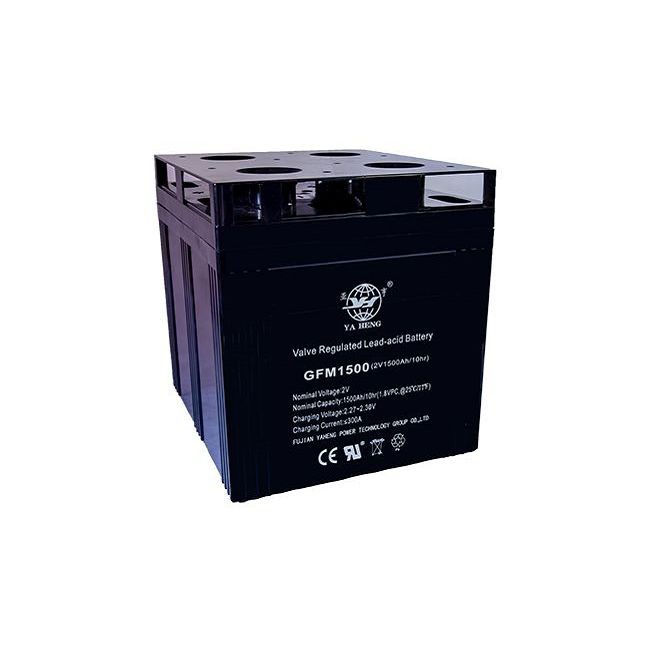
While LiFePO4 telecom batteries offer many advantages, it is also important to compare them with other types of telecom batteries, such as OPzV Batteries. OPzV batteries are a type of valve-regulated lead-acid (VRLA) battery commonly used in the telecommunications industry.
Compared to OPzV batteries, LiFePO4 batteries have a higher energy density, which means they can store more energy in a smaller and lighter package. They also have a longer cycle life, which means they can be charged and discharged more times before reaching the end of their lifespan. Additionally, LiFePO4 batteries are more environmentally friendly as they do not contain toxic materials such as lead and acid.
However, OPzV batteries have some advantages as well. They are generally less expensive than LiFePO4 batteries and have a better performance at low temperatures. In some applications where cost is a major concern and the operating temperature is relatively low, OPzV batteries may be a more suitable choice.
8. Integration with Telecom Power Systems
LiFePO4 telecom batteries are often integrated into Telecom Power Systems to provide backup power for telecommunications equipment. When integrating these batteries into a power system, it is important to ensure compatibility between the battery and the power system components.
The power system should be designed to provide the appropriate charging and discharging parameters for the LiFePO4 batteries. The BMS of the battery should be able to communicate with the power system controller to ensure proper operation. Additionally, the power system should be able to handle the load requirements of the telecommunications equipment and provide reliable backup power in case of a power outage.
Conclusion
Maintaining LiFePO4 telecom batteries requires a comprehensive approach that includes proper installation, temperature management, charge and discharge management, regular inspection and testing, battery equalization, and integration with telecom power systems. By following these maintenance requirements, you can ensure the optimal performance and longevity of these batteries, reducing the total cost of ownership and improving the reliability of your telecommunications infrastructure.
If you are interested in purchasing LiFePO4 telecom batteries or have any questions about their maintenance, please feel free to contact us for further discussion. We are a leading telecom battery supplier with extensive experience in providing high-quality batteries and professional technical support.
References
- [1] "Lithium Iron Phosphate Battery Technology and Applications," Battery University.
- [2] "Telecom Power System Design and Installation Guidelines," Industry Standard Publication.
- [3] "Maintenance Best Practices for Lithium Batteries in Telecommunications," Research Report.


