

Hey there! As a supplier of House Power System, I've seen firsthand the importance of a proper inspection for a house power system. In this blog, I'm gonna walk you through the key inspection requirements that you should keep in mind.
1. Visual Inspection
First off, a thorough visual inspection is a must. You gotta start by looking at the main electrical panel. Check for any signs of damage, like cracks or burn marks. A damaged panel can be a serious safety hazard. Also, make sure the panel is properly labeled. This makes it easier to identify which circuit breaker corresponds to which part of the house.
Next, take a look at the wiring. Look for frayed or exposed wires. These can lead to short circuits and even electrical fires. If you see any wires that look like they've been chewed on by rodents, that's a big red flag. Rodent damage to wiring is a common problem in some areas, and it needs to be addressed right away.
Don't forget about the outlets and switches. Inspect them for loose connections, which can cause overheating. A loose outlet can be a shock hazard, and it can also damage your electrical appliances. You can use a voltage tester to check if the outlets are working properly. If an outlet doesn't show any voltage or shows an inconsistent reading, it might need to be replaced.
2. Electrical Load Calculation
Calculating the electrical load is crucial for the safe operation of your house power system. You need to know how much power your appliances and devices are using. Start by making a list of all the major electrical appliances in your house, like the refrigerator, air conditioner, washing machine, and dryer. Check the power ratings of these appliances, which are usually listed on a label on the back or side of the device.
Add up the power ratings of all the appliances that you might use at the same time. This gives you an estimate of your peak electrical load. Your house power system should be able to handle this peak load without overloading. If your electrical panel is too small for your load, it can cause circuit breakers to trip frequently.
For example, if you have a large air conditioner and a pool pump that you run at the same time, and your electrical panel can't handle the combined load, you'll likely experience problems. You might need to upgrade your electrical panel or redistribute the load to different circuits.
3. Grounding and Bonding
Grounding and bonding are essential for the safety of your house power system. The grounding system provides a path for electrical current to flow safely into the ground in case of a fault. Check the grounding electrode, which is usually a metal rod driven into the ground near your house. Make sure it's properly connected to the electrical panel.
The bonding system connects all the metal parts of your electrical system, like pipes and appliances, together. This helps to prevent electrical shocks. Inspect the bonding conductors to make sure they're in good condition and properly connected. If you find any loose or corroded connections, they need to be fixed immediately.

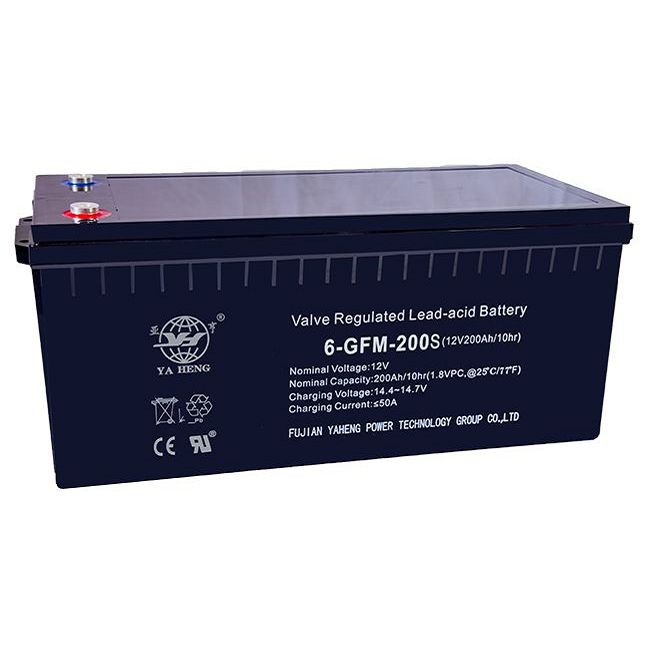
A proper grounding and bonding system can protect you and your family from electrical hazards. It also helps to protect your electrical appliances from damage caused by electrical surges.
4. Circuit Breaker Functionality
Circuit breakers are the first line of defense in your house power system. They're designed to trip and cut off the electrical current when there's an overload or a short circuit. Test the circuit breakers to make sure they're working properly. You can do this by turning off all the appliances and then flipping each circuit breaker on and off a few times.
If a circuit breaker doesn't trip when it should or if it trips frequently without an obvious cause, it might be faulty. A faulty circuit breaker can't provide the necessary protection, so it should be replaced. You can also check the amperage rating of the circuit breakers to make sure they match the load requirements of the circuits.
5. Surge Protection
Surges in electrical power can damage your electrical appliances and devices. That's why surge protection is so important. Check if your house power system has a surge protector installed. A whole - house surge protector is installed at the main electrical panel and can protect all the electrical circuits in your house.
There are also plug - in surge protectors that you can use for individual appliances. These are useful for protecting sensitive electronics like computers and TVs. Make sure the surge protectors are in good working condition. You can test them using a surge protector tester. If a surge protector is damaged or has reached the end of its lifespan, it should be replaced.
6. Compatibility with Renewable Energy Sources
If you're using renewable energy sources like solar panels or a Wind Power System, your house power system needs to be compatible with them. For solar panels, you need to make sure that your electrical panel can handle the additional power generated by the panels. You might need to install a solar inverter, which converts the DC power from the solar panels into AC power that can be used in your house.
If you have a wind turbine, the power output needs to be integrated into your house power system safely. The electrical components, like the charge controller and the battery bank (if you have one), need to be properly sized and connected. A professional electrician can help you ensure that your house power system is compatible with renewable energy sources.
7. System Efficiency
Finally, it's important to check the efficiency of your house power system. You can do this by monitoring your energy consumption over time. If you notice a sudden increase in your energy bills without a corresponding increase in your appliance usage, there might be a problem with your power system.
Check for any energy - wasting devices or systems. For example, old and inefficient light bulbs can use a lot of energy. Replacing them with LED bulbs can save you a significant amount of money in the long run. Also, make sure that your insulation is in good condition. Poor insulation can cause your heating and cooling systems to work harder, which increases your energy consumption.
In conclusion, a proper inspection of your house power system is essential for safety, efficiency, and the longevity of your electrical appliances. If you're not comfortable doing the inspection yourself, it's always a good idea to hire a professional electrician.
As a House Power System supplier, we offer high - quality power systems that meet all the inspection requirements. Our On - line Power System is designed to provide reliable and efficient power for your home. If you're interested in upgrading your house power system or have any questions about our products, feel free to reach out and start a procurement discussion. We're here to help you find the best solution for your power needs.
References
- Electrical Safety Foundation International (ESFI)
- National Electrical Code (NEC)


