

Hey there! As a storage battery supplier, I've been in the thick of the battery game for quite some time. Today, I want to dig into a topic that's been on everyone's minds lately: the environmental impacts of storage batteries. It's a complex issue, but I'll break it down as simply as I can.
Let's start with the good news. Storage batteries play a crucial role in the transition to a more sustainable energy future. They're essential for storing renewable energy, like solar and wind power, which helps reduce our reliance on fossil fuels. For instance, if you've got a Camper Power Station, it allows you to use clean energy while on the go, whether you're camping in the mountains or traveling in an RV. This means less pollution from traditional generators and a smaller carbon footprint.
Another great thing about storage batteries is their use in electric vehicles (EVs). EVs are becoming more popular every day, and storage batteries are what make them run. By replacing gasoline-powered cars with EVs, we can significantly reduce greenhouse gas emissions and air pollution. It's a win - win for the environment and our health.
But it's not all sunshine and rainbows. There are some negative environmental impacts associated with storage batteries, too. One of the biggest concerns is the extraction of raw materials. Many batteries, especially lithium - ion batteries, require materials like lithium, cobalt, and nickel. The mining of these materials can have serious environmental consequences.
Lithium mining, for example, often involves large amounts of water. In some regions, this can lead to water shortages and damage to local ecosystems. The extraction process can also cause soil erosion and contamination of water sources. Cobalt mining has its own set of problems. A significant amount of cobalt is mined in the Democratic Republic of Congo, where there are concerns about child labor and poor working conditions, as well as environmental degradation.
Then there's the issue of battery production. Manufacturing storage batteries is an energy - intensive process. It requires a lot of electricity, and if that electricity comes from fossil fuels, it can offset some of the environmental benefits of using the batteries in the first place. Additionally, the production process can generate waste and emissions, including greenhouse gases and toxic chemicals.
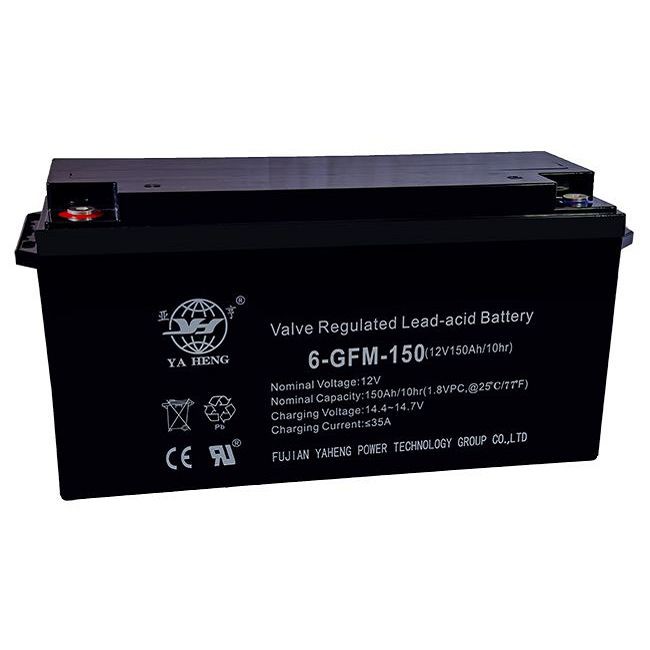
What about when the batteries reach the end of their life? Battery disposal is a major headache. If not properly managed, batteries can leak harmful chemicals into the environment. For example, lead - acid batteries, which are commonly used in cars and some backup power systems, contain lead and sulfuric acid. If these batteries are dumped in landfills, the lead can leach into the soil and groundwater, posing a serious threat to human health and the environment.
Recycling is the obvious solution, but it's not as easy as it sounds. Recycling storage batteries is a complex and costly process. Different types of batteries require different recycling methods, and there aren't enough recycling facilities to handle the growing number of used batteries. This means that a large proportion of batteries still end up in landfills or are shipped to other countries for disposal, where environmental regulations may be less strict.
However, there's hope on the horizon. The battery industry is constantly evolving, and there are efforts underway to make batteries more environmentally friendly. For example, researchers are looking for alternative materials that are more abundant and less harmful to extract. Some companies are also working on improving the efficiency of battery production and recycling processes.
As a storage battery supplier, I'm committed to doing my part. We're always looking for ways to source our raw materials more sustainably and reduce the environmental impact of our production processes. We also encourage our customers to recycle their used batteries and offer information on how to do it properly.
If you're in the market for a storage battery, we've got a great range of products to choose from. Our Camping Power Battery is perfect for outdoor enthusiasts who want to stay powered up while enjoying nature. And if you need a reliable backup power source for your home or office, our UPS Power Bank is a great option.
We understand that choosing the right storage battery can be a daunting task, especially when considering the environmental impact. That's why we're here to help. Our team of experts can answer all your questions and guide you through the selection process. Whether you're looking for a battery for your camper, your camping trips, or your UPS system, we've got you covered.
If you're interested in learning more about our products or have any questions about the environmental impacts of storage batteries, don't hesitate to reach out. We're always happy to have a chat and discuss how we can meet your needs while also being kind to the environment. Let's work together to make a positive difference for our planet.

References
- International Renewable Energy Agency (IRENA). "Battery Storage for Renewables: Technology Brief."
- United Nations Environment Programme (UNEP). "Global Battery Alliance: The Future of Sustainable Batteries."
- World Bank. "The Growing Role of Minerals and Metals for a Low - Carbon Future."


