

As a telecom battery supplier, I often encounter questions from customers regarding the safety and practicality of using damaged telecom batteries. This is a crucial topic that demands careful consideration, as the performance and reliability of telecom systems hinge significantly on the integrity of their power sources. In this blog, I'll delve into the implications of using damaged telecom batteries, exploring the risks, potential consequences, and best practices for maintaining a healthy telecom power infrastructure.
Understanding Telecom Batteries
Before we discuss the use of damaged batteries, it's essential to understand the role of telecom batteries in a Telecom Power System. These systems are the backbone of modern communication networks, providing backup power during outages and ensuring continuous operation of critical equipment. Telecom batteries, such as the OPzV Battery, are designed to store electrical energy and release it when needed, offering a reliable power source in times of grid failure.
Telecom battery banks, like the Telecom Battery Bank, consist of multiple batteries connected in series or parallel to meet the specific power requirements of a telecom facility. These banks must be carefully maintained to ensure optimal performance and longevity. A single damaged battery in a bank can have a cascading effect, potentially compromising the entire system's functionality.
Risks Associated with Using Damaged Telecom Batteries
Using a damaged telecom battery poses several significant risks, both to the telecom infrastructure and the safety of personnel. Here are some of the key concerns:
Reduced Performance
A damaged battery may not be able to store or deliver energy efficiently, leading to a significant reduction in its capacity. This can result in shorter backup times during power outages, leaving telecom equipment vulnerable to disruptions. In critical applications, such as emergency communication systems, even a brief power interruption can have severe consequences.
Overheating and Fire Hazard
Damaged batteries are more prone to overheating, especially if they have internal short circuits or other defects. Overheating can cause the battery to release flammable gases, increasing the risk of fire or explosion. This is a serious safety hazard that can endanger lives and property, making it essential to address battery damage promptly.
System Instability
In a battery bank, a damaged battery can disrupt the balance of the entire system. It may draw more current than normal, causing other batteries to work harder and potentially leading to premature failure. This can result in uneven charging and discharging, further reducing the overall performance and lifespan of the battery bank.
Regulatory Compliance Issues
Many industries have strict regulations regarding the use and maintenance of telecom batteries. Using damaged batteries may violate these regulations, leading to potential fines and legal liabilities. It's crucial for telecom operators to ensure that their battery systems meet all relevant safety and performance standards.
Identifying Damaged Telecom Batteries
Regular inspection and testing are essential for identifying damaged telecom batteries before they cause significant problems. Here are some signs that a battery may be damaged:
Physical Damage
Visible signs of damage, such as cracks, bulges, or leaks, are clear indicators that a battery should be replaced. Physical damage can compromise the integrity of the battery's internal components, increasing the risk of failure.
Low Voltage or Capacity
A battery that consistently fails to reach its rated voltage or capacity during charging or discharging may be damaged. This can be detected through regular battery testing using specialized equipment.
High Self-Discharge Rate
If a battery loses its charge quickly when not in use, it may have a high self-discharge rate, which is often a sign of internal damage. This can be measured by monitoring the battery's voltage over time.
Abnormal Temperature
A battery that feels excessively hot during normal operation may be damaged. Overheating can indicate internal short circuits or other problems that need to be addressed immediately.
Best Practices for Maintaining Telecom Batteries
To minimize the risk of using damaged telecom batteries, it's important to follow best practices for battery maintenance. Here are some key recommendations:
Regular Inspections
Perform visual inspections of batteries at least once a month to check for signs of physical damage, leaks, or corrosion. Inspect battery terminals and connections for tightness and cleanliness.
Testing
Conduct regular battery testing to monitor the performance and health of the battery bank. This can include capacity testing, voltage testing, and impedance testing. Testing frequency may vary depending on the type of battery and the specific application.
Charging and Discharging
Follow the manufacturer's recommendations for charging and discharging the batteries. Overcharging or discharging a battery beyond its recommended limits can cause damage and reduce its lifespan.
Temperature Control
Maintain the battery bank at a suitable temperature to prevent overheating and premature aging. Most telecom batteries perform best in a temperature range of 20°C to 25°C (68°F to 77°F).
Replacement
Replace damaged batteries immediately to prevent further damage to the battery bank. It's also a good practice to replace all batteries in a bank at the same time to ensure consistent performance.
When Is It Okay to Use a Damaged Telecom Battery?
In some rare cases, it may be possible to use a damaged telecom battery temporarily, provided that certain conditions are met. For example, if a battery has minor damage that does not significantly affect its performance or safety, and there is no immediate replacement available, it may be used for a short period under close monitoring.

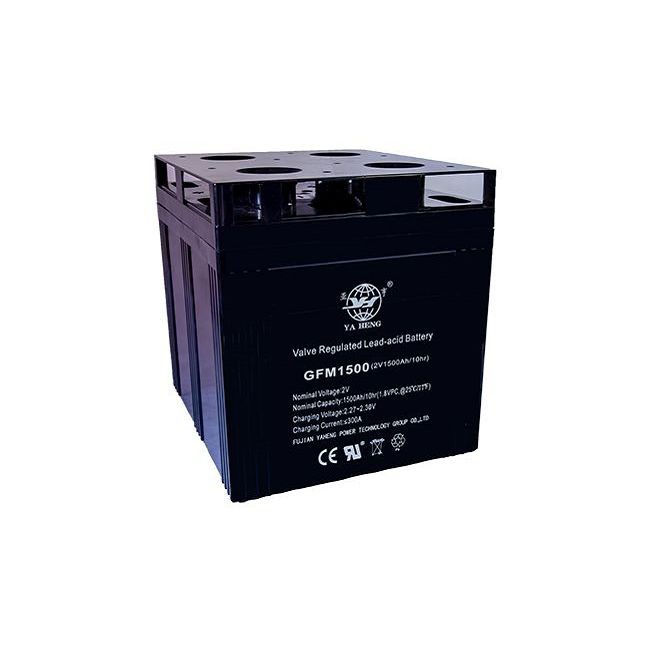
However, this should only be done as a last resort, and every effort should be made to replace the damaged battery as soon as possible. It's important to note that using a damaged battery in this way still carries risks, and proper safety precautions must be taken to minimize the potential for accidents.
Conclusion
In conclusion, using a damaged telecom battery is generally not recommended due to the significant risks it poses to the telecom infrastructure and personnel safety. Regular inspection, testing, and maintenance are essential for ensuring the optimal performance and longevity of telecom batteries. If a battery is found to be damaged, it should be replaced immediately to prevent further problems.
As a telecom battery supplier, I'm committed to providing high-quality products and expert advice to help my customers maintain a reliable and safe telecom power infrastructure. If you have any questions or concerns about telecom batteries, or if you're interested in learning more about our products and services, please don't hesitate to [contact me for a purchase consultation].
References
- Battery Council International. (2023). Battery Maintenance Best Practices.
- International Electrotechnical Commission. (2022). Safety Requirements for Secondary Batteries and Battery Packs for Use in Portable Applications.
- Telecommunications Industry Association. (2021). Standards for Telecom Power Systems.


