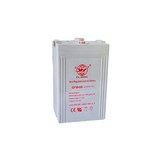
Hey there! As a telecom battery supplier, I've seen firsthand how crucial it is to have reliable batteries in the telecom industry. Whether it's powering cell towers, Telecom Power Cabinet, or Teleom Power Station, these batteries are the unsung heroes that keep our communication systems up and running. In this blog, I'm gonna share some tips on how to improve the reliability of a telecom battery.
1. Choose the Right Battery Type
First things first, picking the right battery type is super important. One of the popular choices in the telecom industry is the OPzV Battery. These batteries are known for their long service life and high reliability. They're designed to withstand the harsh conditions often found in telecom applications, like high temperatures and frequent charge - discharge cycles.
OPzV batteries use tubular positive plates, which offer better corrosion resistance compared to other plate designs. This means they can last longer and provide more consistent performance over time. When you're selecting a battery for your telecom needs, make sure to consider factors like the expected load, the environment where the battery will be installed, and the backup time required.
2. Proper Installation
Once you've chosen the right battery, proper installation is key. Incorrect installation can lead to all sorts of problems, from reduced battery life to safety hazards. Here are some installation tips:
- Location: Install the batteries in a well - ventilated area. Batteries can generate heat during charging and discharging, and proper ventilation helps to keep the temperature in check. Avoid installing them in areas prone to flooding or where they might be exposed to direct sunlight for long periods.
- Connection: Make sure all the connections are tight and clean. Loose connections can cause increased resistance, which leads to heat generation and can damage the battery. Use the right tools to tighten the connections to the recommended torque.
- Battery Rack: Use a sturdy battery rack that can support the weight of the batteries. The rack should be properly grounded to prevent electrical issues.
3. Regular Maintenance
Regular maintenance is essential for improving the reliability of telecom batteries. Here are some maintenance tasks you should perform:
- Visual Inspection: Check the batteries regularly for any signs of damage, such as cracks, leaks, or bulges. If you notice any of these issues, replace the battery immediately.
- Electrolyte Level: For batteries that require electrolyte, check the level regularly and top it up with distilled water if necessary. Low electrolyte levels can cause the battery to overheat and reduce its performance.
- Charge - Discharge Monitoring: Keep an eye on the charge - discharge cycles of the batteries. Overcharging or deep discharging can significantly reduce the battery life. Use a battery management system (BMS) to monitor the battery's state of charge and state of health.
- Cleaning: Keep the batteries and their surroundings clean. Dirt and dust can accumulate on the battery terminals, which can increase resistance. Use a clean, dry cloth to wipe the terminals and the battery case.
4. Temperature Management
Temperature has a big impact on the performance and reliability of telecom batteries. High temperatures can accelerate the chemical reactions inside the battery, leading to faster degradation. On the other hand, low temperatures can reduce the battery's capacity. Here's how you can manage the temperature:
- Thermal Insulation: If the battery is installed in an area with extreme temperatures, consider using thermal insulation to protect it. Insulation can help to maintain a more stable temperature inside the battery enclosure.
- Cooling Systems: In hot environments, install a cooling system, such as air - conditioning or a ventilation fan. This can help to keep the battery temperature within the recommended range.
- Heating Systems: In cold environments, a heating system may be required to prevent the battery from freezing. A heating pad or a heating element can be used to keep the battery warm.
5. Load Management
Managing the load on the telecom battery is also important for its reliability. Overloading the battery can cause it to overheat and reduce its lifespan. Here are some load management tips:
- Calculate the Load: Before installing the battery, calculate the expected load accurately. Make sure the battery has enough capacity to handle the load without being overloaded.
- Peak Load Management: If there are peak loads in your telecom system, consider using a backup power source, such as a generator, to handle the extra load. This can reduce the stress on the battery and improve its reliability.
- Load Balancing: If you have multiple batteries in a system, make sure the load is evenly distributed among them. Uneven load distribution can cause some batteries to wear out faster than others.
6. Use of Battery Monitoring Systems
Battery monitoring systems are a great way to improve the reliability of telecom batteries. These systems can provide real - time information about the battery's state of charge, state of health, temperature, and other important parameters. Here's how they can help:
- Early Warning: A battery monitoring system can detect early signs of battery problems, such as a decrease in capacity or an increase in internal resistance. This allows you to take corrective action before the battery fails completely.
- Remote Monitoring: Many battery monitoring systems offer remote monitoring capabilities. This means you can monitor the batteries from anywhere, which is especially useful if you have multiple battery installations in different locations.
- Data Analysis: The data collected by the monitoring system can be analyzed to identify trends and patterns. This can help you to optimize the battery's performance and plan for future replacements.
7. Training for Staff
Make sure your staff is properly trained on how to handle and maintain telecom batteries. They should know the correct installation procedures, maintenance tasks, and safety precautions. Training can help to prevent human - error - related issues and ensure that the batteries are used and maintained correctly.
8. Upgrading and Replacement
As technology advances, it's a good idea to consider upgrading your telecom batteries from time to time. Newer battery technologies may offer better performance, longer service life, and improved reliability. Also, keep track of the battery's age and performance. When a battery reaches the end of its useful life, replace it promptly to avoid any disruptions in your telecom system.
In conclusion, improving the reliability of a telecom battery involves a combination of choosing the right battery type, proper installation, regular maintenance, temperature management, load management, using battery monitoring systems, training staff, and timely upgrading and replacement. By following these tips, you can ensure that your telecom batteries provide reliable power for your communication systems.
If you're in the market for high - quality telecom batteries or have any questions about improving battery reliability, feel free to reach out to us. We're here to help you make the best choices for your telecom needs. Let's work together to keep your communication systems running smoothly!


References
- Battery Technology Handbook, various authors
- Telecom Power Systems Best Practices Guide, industry publication
- Battery Maintenance Manuals from leading battery manufacturers