

Handling a swollen telecom battery is a critical issue that requires immediate attention and proper procedures. As a telecom battery supplier, we understand the importance of ensuring the safety and reliability of our products. In this blog post, we will discuss the causes of battery swelling, the potential risks associated with it, and the steps you should take to handle a swollen telecom battery safely.
Understanding the Causes of Battery Swelling
Battery swelling is primarily caused by the build - up of gas inside the battery cells. This can occur due to several factors:
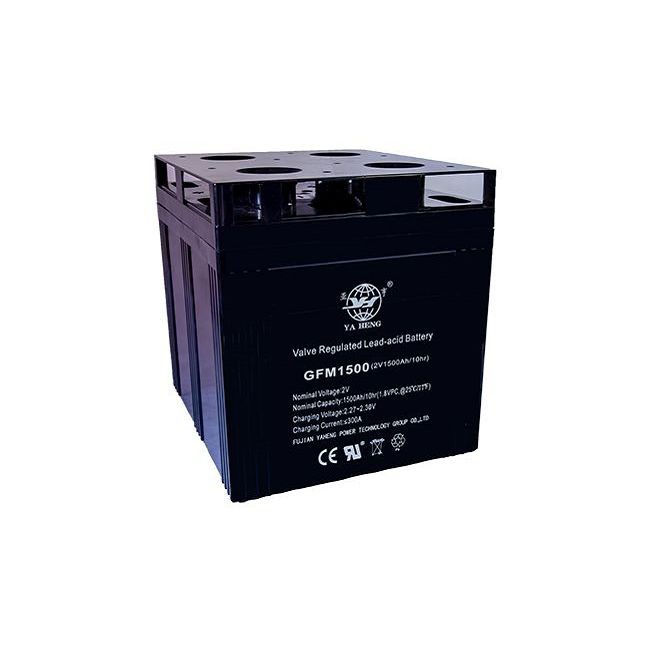

- Overcharging: When a telecom battery is overcharged, the electrolyte inside the battery can break down, producing hydrogen and oxygen gases. These gases accumulate within the battery, causing it to swell. Overcharging can be the result of a faulty charging system or incorrect charging parameters.
- High Temperatures: Exposing the battery to high temperatures can accelerate the chemical reactions inside the battery. This can lead to the generation of excess gas and subsequent swelling. Telecom batteries are often installed in environments where temperature control may be challenging, such as outdoor Telecom Power Cabinets.
- Internal Short - Circuits: An internal short - circuit within the battery can cause a rapid increase in temperature and gas production. This can be due to manufacturing defects, physical damage to the battery, or the presence of foreign objects inside the battery.
- Aging: As batteries age, their internal components deteriorate. The electrodes may become corroded, and the electrolyte may lose its effectiveness. This can lead to abnormal chemical reactions and gas build - up, resulting in swelling.
The Risks Associated with Swollen Telecom Batteries
Swollen telecom batteries pose several risks:
- Safety Hazards: Swollen batteries are under pressure, and there is a risk of explosion or rupture. This can release toxic chemicals and gases, such as lead and sulfuric acid in the case of lead - acid batteries, which can be harmful to human health and the environment.
- Reduced Performance: A swollen battery is likely to have reduced capacity and performance. This can lead to power outages or unreliable operation of the telecom equipment, which is unacceptable in a telecommunications network.
- Damage to Equipment: If a swollen battery is not removed promptly, it can cause damage to the surrounding equipment, such as Telecom Power Systems and Telecom Battery Banks. The physical expansion of the battery can put pressure on adjacent components, leading to mechanical damage.
Steps to Handle a Swollen Telecom Battery
Step 1: Safety First
- Wear Protective Gear: Before handling a swollen battery, put on appropriate personal protective equipment (PPE), including gloves, safety glasses, and a face shield. This will protect you from potential chemical spills and splashes.
- Isolate the Area: Ensure that the area around the battery is well - ventilated. If possible, move the battery to an open, well - ventilated space away from people, flammable materials, and sensitive equipment.
Step 2: Power Off and Disconnect
- Turn Off the Power: Immediately turn off the power supply to the battery and any connected equipment. This will prevent further charging or discharging of the battery, reducing the risk of additional gas generation.
- Disconnect the Battery: Carefully disconnect the battery from the Telecom Power System or Telecom Battery Bank. Use insulated tools to avoid electrical shock.
Step 3: Inspect the Battery
- Check for Damage: Examine the battery for any signs of physical damage, such as cracks or leaks. If the battery is leaking, do not touch the leaked material directly.
- Identify the Type of Battery: Different types of batteries, such as lead - acid, lithium - ion, and nickel - cadmium, require different handling procedures. Knowing the type of battery will help you determine the appropriate disposal method.
Step 4: Dispose of the Battery Properly
- Follow Local Regulations: Battery disposal is regulated by local environmental laws. Contact your local waste management authority to find out the proper procedures for disposing of a swollen telecom battery.
- Use a Certified Recycling Facility: In most cases, swollen batteries should be recycled at a certified battery recycling facility. These facilities have the expertise and equipment to handle and recycle batteries safely.
Step 5: Preventive Measures
- Regular Inspections: Implement a regular inspection schedule for your telecom batteries. Check for signs of swelling, leakage, or other abnormalities.
- Proper Charging: Ensure that your charging systems are properly calibrated and functioning correctly. Use chargers that are compatible with your telecom batteries and follow the manufacturer's charging instructions.
- Temperature Control: Maintain the appropriate temperature range for your telecom batteries. This may involve installing temperature - control devices in your Telecom Power Cabinets or using ventilation systems.
Importance of Working with a Reliable Telecom Battery Supplier
As a telecom battery supplier, we are committed to providing high - quality batteries that are safe and reliable. Our batteries are designed and manufactured to meet the strictest industry standards. We also offer comprehensive technical support to help you with battery installation, maintenance, and troubleshooting.
When you choose us as your telecom battery supplier, you can be confident that you are getting a product that is built to last. We use the latest technologies and materials to ensure that our batteries have a long service life and excellent performance. In addition, we provide detailed product documentation and training to help you make the most of your telecom batteries.
If you have any questions about handling swollen telecom batteries or need to purchase new batteries, please do not hesitate to contact us. Our team of experts is ready to assist you with all your telecom battery needs. We can provide you with customized solutions based on your specific requirements and help you ensure the smooth operation of your telecommunications network.
Conclusion
Handling a swollen telecom battery requires careful attention to safety and proper procedures. By understanding the causes of battery swelling, the associated risks, and the steps to handle it safely, you can protect your equipment, your employees, and the environment. As a trusted telecom battery supplier, we are here to support you in every aspect of your telecom battery management. Whether you need advice on battery maintenance, replacement, or disposal, we have the knowledge and experience to help you make the right decisions. Contact us today to discuss your telecom battery requirements and start a partnership that will ensure the reliability and safety of your telecommunications infrastructure.
References
- Battery Council International. (2023). Battery Safety and Recycling Guidelines.
- International Electrotechnical Commission (IEC). (2022). Standards for Telecom Batteries.
- United States Environmental Protection Agency (EPA). (2023). Regulations on Battery Disposal.


