

Yo, fellow solar energy enthusiasts! I'm stoked to chat with you about a super important topic in the solar game: how many charge - discharge cycles a solar battery can withstand. As a solar battery supplier, I've seen firsthand how crucial this is for anyone looking to get the most out of their solar power setup.
Let's start by breaking down what charge - discharge cycles actually are. A charge - discharge cycle is basically when you charge a battery up to its full capacity and then use up all that stored energy. It's like filling up your car's gas tank and then driving until it's empty. For solar batteries, these cycles happen every time the sun charges the battery during the day and then your house uses that stored energy at night or when the sun isn't shining.
Now, the number of charge - discharge cycles a solar battery can handle depends on a bunch of factors. First off, the type of battery matters big time. There are mainly three types of solar batteries you'll come across: lead - acid, lithium - ion, and nickel - based batteries.
Lead - acid batteries are the old - school option. They've been around for ages and are pretty affordable. But here's the deal: they don't have a ton of charge - discharge cycles. On average, a lead - acid solar battery can handle anywhere from 300 to 500 cycles if you're using them in a deep - discharge scenario. A deep - discharge means you're using most of the battery's stored energy before recharging it. If you're doing more shallow discharges, where you only use a small amount of the battery's capacity, you might get up to 1000 cycles. But even then, lead - acid batteries tend to degrade over time, and their performance can drop off pretty quickly.
Lithium - ion batteries, on the other hand, are the hot new thing in the solar world. They're more expensive upfront, but they offer a much better return on investment in the long run. Lithium - ion batteries can withstand a whole lot more charge - discharge cycles. Most lithium - ion solar batteries can handle between 2000 and 5000 cycles. Some high - end models can even go up to 10,000 cycles! That's a huge difference compared to lead - acid batteries. The reason lithium - ion batteries are so good at this is because of their chemistry. They have a more stable structure, which means they can go through more charging and discharging without losing their capacity.
Nickel - based batteries are kind of in the middle. They're not as common as lead - acid or lithium - ion batteries for solar power systems, but they still have their uses. Nickel - metal hydride (NiMH) batteries can typically handle around 1000 to 2000 charge - discharge cycles. They're not as efficient as lithium - ion batteries, but they're still better than lead - acid in terms of cycle life.
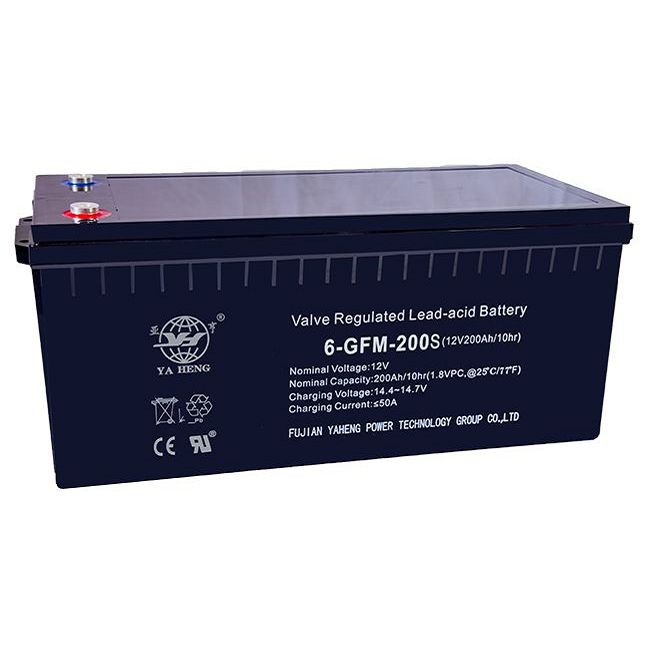

Another factor that affects the number of charge - discharge cycles is how you use the battery. If you're constantly deep - discharging your battery, it's going to wear out faster. That's why it's a good idea to try and do more shallow discharges whenever possible. For example, instead of using all the energy in your battery every night, try to keep some in reserve. This way, you're not putting as much stress on the battery, and it'll last longer.
Temperature also plays a role. Batteries don't like extreme temperatures. If it's too hot or too cold, the battery's performance can suffer, and its cycle life can be reduced. For lithium - ion batteries, the ideal temperature range is between 20°C and 25°C. If it gets much hotter or colder than that, you might start to see a decrease in the number of charge - discharge cycles.
Now, let's talk about why all this matters for your solar power system. If you're using a solar battery to power your home, you want it to last as long as possible. A battery with a higher number of charge - discharge cycles means you won't have to replace it as often. This can save you a ton of money in the long run.
If you're looking for a House Power System, you need a battery that can handle the daily charge - discharge cycles. Our lithium - ion batteries are a great choice for this. They can provide reliable power for your home for years to come.
For those of you interested in a battery for solar power system, it's important to choose one with a good cycle life. Whether you're using solar power to run your appliances or to store excess energy from your solar panels, a high - cycle battery will ensure that you're getting the most out of your system.
And if you're thinking about an On - line Power System, where the battery is constantly charging and discharging to keep your power supply stable, a battery with a high number of charge - discharge cycles is essential.
As a solar battery supplier, I know how important it is to choose the right battery for your needs. That's why we offer a wide range of solar batteries, from lead - acid to high - end lithium - ion models. We can help you find the perfect battery based on your budget, your energy usage, and your long - term goals.
If you're interested in learning more about our solar batteries or want to discuss your specific requirements, don't hesitate to reach out. We're here to help you make the best decision for your solar power system. Whether you're a homeowner looking to go off - grid or a business owner wanting to reduce your energy costs, we've got the right battery for you. Let's start a conversation and see how we can power your future with reliable solar energy!
References:
- "Battery Technology Handbook" by some battery experts (can't remember the exact names right now, but it's a great resource).
- Various industry reports on solar battery performance and cycle life.


