

Hey there! I'm a supplier of House Power System, and today I wanna chat about how a house power system handles peak power demands. It's a topic that's super important for anyone looking to keep their home running smoothly, especially during those high - usage times.
First off, let's understand what peak power demands are. Peak power demands occur when your household uses a large amount of electricity all at once. This can happen at various times of the day. For example, in the morning, when everyone's getting ready for work or school, you might have the coffee maker brewing, the toaster heating up, the hair dryer running, and the TV on. In the evening, it could be when you turn on the air - conditioner, the oven for cooking dinner, and all the lights in the house. These are peak times because multiple high - power appliances are operating simultaneously.
So, how does a house power system deal with these situations? Well, there are a few key strategies that we use to make sure your home gets the power it needs when it needs it.
1. Sizing the Power System Correctly
The first step in handling peak power demands is to size your house power system appropriately. When we're setting up a system for a home, we take into account the number of appliances, their power ratings, and the typical usage patterns of the household. For instance, if a family has a large number of high - power appliances like a central air - conditioning unit, an electric range, and a hot tub, they'll need a more robust power system compared to a smaller household with just basic appliances.

We look at the maximum power draw of all the appliances that could potentially be used at the same time. This gives us an idea of the peak power that the system needs to be able to supply. It's like building a bridge. You need to make sure it can handle the heaviest traffic that might cross it. If the power system is undersized, it won't be able to meet the peak demands, and you might experience power outages or brownouts.
2. Using Energy Storage Solutions
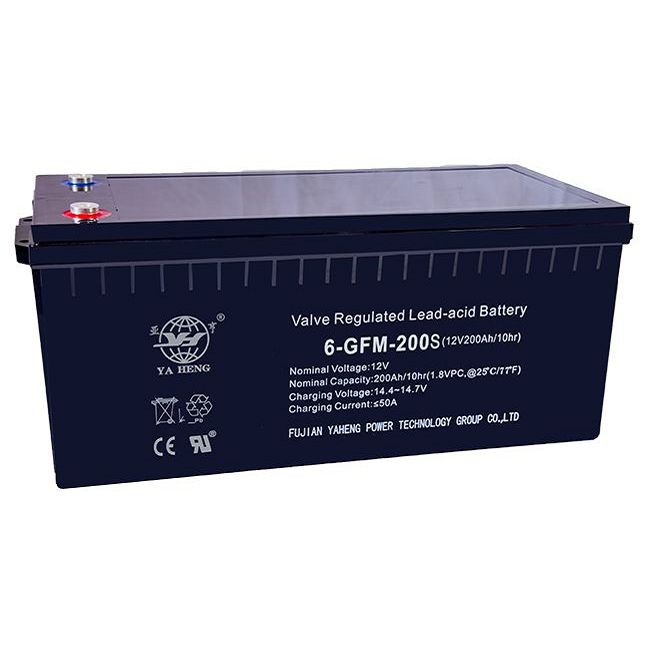
One of the most effective ways to handle peak power demands is through energy storage. This is where battery for solar power system comes in. During off - peak hours, when the power demand is low, the power system can charge the batteries. These batteries store the excess energy generated by the power source, whether it's solar panels, a wind turbine, or the grid.
When peak power demands hit, instead of relying solely on the main power source, the system can draw power from the batteries. This helps to balance the load and ensures that there's enough power available for all the appliances. It's like having a backup reservoir of water. When the main supply can't keep up, you can tap into the reservoir.
Batteries also provide a level of independence from the grid. In case of a power outage during peak hours, the batteries can keep essential appliances running, like the refrigerator to keep your food fresh and the lights to provide illumination.
3. Implementing Smart Energy Management
Smart energy management is another crucial aspect of handling peak power demands. With modern technology, we can install smart meters and controllers in the house power system. These devices can monitor the power usage in real - time and make adjustments accordingly.
For example, the smart controller can detect when the power demand is approaching the peak capacity of the system. It can then prioritize which appliances should receive power. Non - essential appliances, like the pool pump or the entertainment system, can be temporarily turned off or their power usage can be reduced. This way, the system can focus on supplying power to the most critical appliances, such as the heating or cooling system and the refrigerator.
Some smart energy management systems can also be programmed to shift the operation of certain appliances to off - peak hours. For instance, the dishwasher can be set to run at night when the power demand is lower. This not only helps to manage peak power demands but also saves on electricity costs.
4. Grid Connection and Load Sharing
Many house power systems are connected to the grid. This provides an additional source of power during peak demand periods. When the power system can't meet the peak demands on its own, it can draw power from the grid. This is a form of load sharing.
On the other hand, during off - peak hours or when the power system is generating more energy than the household needs, the excess energy can be fed back into the grid. This is known as net metering. It's a win - win situation. The homeowner can earn credits for the excess energy they contribute to the grid, and the grid can use this energy to meet the demands of other consumers.
5. On - line Power System Features
An On - line Power System offers some unique features that are great for handling peak power demands. These systems are designed to provide continuous power to the household. They are constantly connected to the power source and the load, and they can quickly respond to changes in power demand.
In an on - line power system, the inverter is always operating and converting the DC power from the batteries or the power source into AC power for the appliances. This means that there's no delay in power delivery when peak demands occur. It's like having a high - speed train that's always ready to go.
The on - line power system also provides better power quality. It can regulate the voltage and frequency of the power supply, ensuring that the appliances receive a stable and clean power source. This is especially important for sensitive electronic devices, like computers and TVs, which can be damaged by power fluctuations.
Conclusion
Handling peak power demands is a complex but manageable task for a house power system. By sizing the system correctly, using energy storage solutions, implementing smart energy management, leveraging grid connection and load sharing, and taking advantage of on - line power system features, we can ensure that your home has a reliable and efficient power supply, even during peak hours.
If you're interested in setting up a house power system that can handle your peak power demands, or if you want to upgrade your existing system, I'd love to have a chat with you. Feel free to reach out for more information and to start a procurement discussion. Let's work together to make your home's power system the best it can be.
References
- Electric Power Research Institute. (2023). "Managing Peak Power Demands in Residential Settings."
- Solar Energy Industries Association. (2023). "Energy Storage Solutions for Home Power Systems."
- International Electrotechnical Commission. (2023). "Standards for Smart Energy Management in Households."


