As a motorcycle battery supplier, I often encounter customers who are torn between choosing a lithium-ion and an AGM (Absorbent Glass Mat) motorcycle battery. This decision is crucial as it can significantly impact the performance, longevity, and overall experience of your motorcycle. In this blog post, I'll delve into the key factors to consider when making this choice, based on my years of experience in the industry.
Performance
One of the primary considerations when choosing a motorcycle battery is performance. Lithium-ion batteries are known for their high energy density, which means they can store more energy in a smaller and lighter package compared to AGM batteries. This makes them an excellent choice for riders who are looking to reduce the weight of their motorcycle, especially in racing or high-performance applications. For example, a lithium-ion battery can provide a quick and powerful start, even in cold weather conditions, due to its low internal resistance.
On the other hand, AGM batteries are more traditional and have been used in motorcycles for many years. They are known for their reliability and ability to handle high electrical loads. AGM batteries are also more tolerant of overcharging and deep discharging compared to lithium-ion batteries. This makes them a good choice for motorcycles with a lot of electrical accessories, such as heated grips, GPS systems, and auxiliary lights.
Longevity
Another important factor to consider is the longevity of the battery. Lithium-ion batteries generally have a longer lifespan compared to AGM batteries. They can last up to 5-10 years, depending on the usage and charging habits. This is because lithium-ion batteries have a lower self-discharge rate and are less prone to sulfation, a common problem in lead-acid batteries like AGM.
AGM batteries, on the other hand, typically have a lifespan of 3-5 years. They require regular maintenance, such as checking the electrolyte levels and ensuring proper charging, to extend their lifespan. However, with proper care, an AGM battery can still provide reliable performance for several years.
Cost
Cost is often a significant factor in the decision-making process. Lithium-ion batteries are generally more expensive than AGM batteries. The initial purchase price of a lithium-ion battery can be 2-3 times higher than that of an AGM battery. However, when you consider the longer lifespan and better performance of lithium-ion batteries, the cost per year of use may be comparable or even lower in the long run.
AGM batteries are more affordable upfront, making them a popular choice for budget-conscious riders. They are also widely available, which means you can easily find a replacement if needed.

Charging Requirements
The charging requirements of the battery are also an important consideration. Lithium-ion batteries require a specific charger that is designed for lithium-ion chemistry. These chargers are more expensive than traditional lead-acid chargers, but they are essential to ensure the proper charging and longevity of the battery.
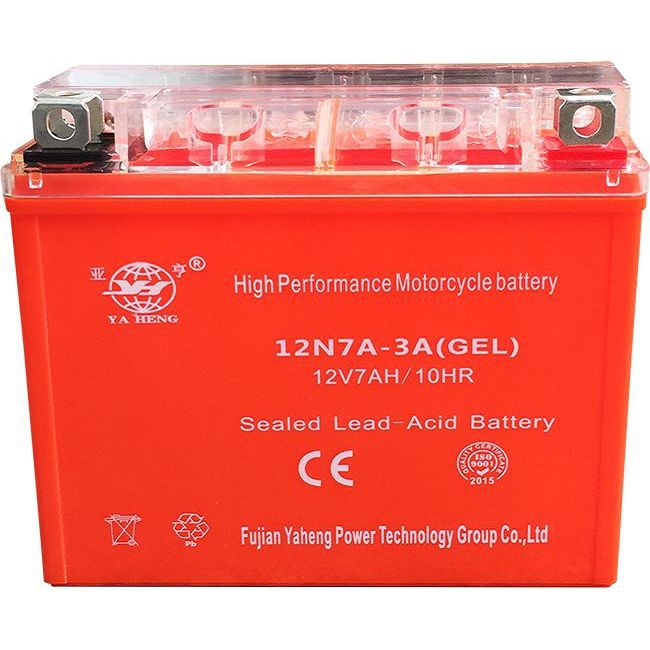
AGM batteries can be charged using a standard lead-acid charger. However, it is important to use a charger that is compatible with AGM batteries to avoid overcharging or undercharging. Some AGM batteries also require a special charging mode, such as a desulfation mode, to maintain their performance.
Safety
Safety is always a top priority when it comes to motorcycle batteries. Lithium-ion batteries are generally considered to be safer than AGM batteries. They are less prone to leaking, exploding, or catching fire compared to lead-acid batteries. However, it is important to handle lithium-ion batteries with care and follow the manufacturer's instructions to avoid any potential safety hazards.
AGM batteries are also relatively safe, but they do contain lead and sulfuric acid, which can be harmful if they come into contact with your skin or eyes. It is important to wear protective gloves and eyewear when handling AGM batteries and to dispose of them properly.
Applications
The type of motorcycle and its intended use can also influence your choice of battery. For example, if you have a high-performance motorcycle that requires a lot of power, such as a sportbike or a touring bike, a lithium-ion battery may be the better choice. Its high energy density and quick start capabilities can provide the performance you need.
If you have a cruiser or a commuter motorcycle that doesn't require as much power, an AGM battery may be sufficient. It is also a good choice for motorcycles that are used in cold weather conditions, as AGM batteries are more tolerant of low temperatures compared to lithium-ion batteries.
Conclusion
In conclusion, choosing between a lithium-ion and an AGM motorcycle battery depends on several factors, including performance, longevity, cost, charging requirements, safety, and applications. As a motorcycle battery supplier, I recommend considering your specific needs and budget when making this decision.
If you are looking for a high-performance, lightweight battery with a long lifespan, a lithium-ion battery may be the right choice for you. However, if you are on a budget and need a reliable, traditional battery that can handle high electrical loads, an AGM battery may be a better option.
At our company, we offer a wide range of motorcycle batteries, including Starting Battery, Start-stop Battery, and Start Battery. Our team of experts can help you choose the right battery for your motorcycle and provide you with all the information you need to ensure its proper installation and maintenance.
If you have any questions or would like to discuss your battery needs further, please don't hesitate to contact us. We are here to help you make the best decision for your motorcycle.
References
- Battery University: A comprehensive resource for battery knowledge and information.
- Motorcycle Consumer News: A leading source of motorcycle reviews and information.
- Manufacturer's websites: The websites of the battery manufacturers can provide detailed information about their products and specifications.