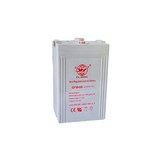
Hey there! As a GEL battery supplier, I've seen firsthand how these batteries age over time. In this blog, I'm gonna break down the factors that affect the aging process of GEL batteries, so you can get a better understanding of how to make them last longer.
What are GEL Batteries?
Before we dive into how they age, let's quickly go over what GEL batteries are. GEL batteries are a type of valve-regulated lead-acid (VRLA) battery. They use a silica gel electrolyte that immobilizes the sulfuric acid, which makes them spill-proof and safer to use compared to traditional flooded lead-acid batteries. They're commonly used in various applications like Portable Power Bank Battery, Camper Power Battery, and Jump Starter Power Battery.
Factors Affecting GEL Battery Aging
1. Temperature
Temperature plays a huge role in how GEL batteries age. Batteries are like us - they don't like extreme temperatures. When it's too hot, the chemical reactions inside the battery speed up. This might sound like a good thing at first, but it actually causes the battery to self-discharge faster. The heat can also damage the battery's internal components, like the plates and the gel electrolyte. Over time, this can lead to a shorter battery life.
On the other hand, cold temperatures slow down the chemical reactions. This means the battery can't deliver as much power as it normally would. If you use a GEL battery in very cold conditions for a long time, it can cause sulfation. Sulfation is when lead sulfate crystals build up on the battery plates, which reduces the battery's capacity and performance.
2. Depth of Discharge (DoD)
The depth of discharge is how much of the battery's capacity you use before recharging it. For GEL batteries, it's best to keep the DoD as low as possible. Every time you discharge a battery deeply, it puts stress on the internal components. When you fully discharge a GEL battery, the lead sulfate crystals that form during the discharge process can become larger and harder to break down during charging. This leads to a loss of active material on the plates and reduces the battery's overall capacity.
For example, if you use a Camper Power Battery and constantly discharge it to 80% or more of its capacity, you're gonna see a significant reduction in its lifespan compared to if you only discharge it to 20 - 30%.


3. Charging Practices
How you charge your GEL battery is crucial for its aging process. Overcharging is a big no-no. When you overcharge a GEL battery, it can cause gassing and water loss. The excess heat generated during overcharging can also damage the gel electrolyte and the battery plates. This can lead to internal short circuits and a shortened battery life.
Undercharging is also a problem. If you don't fully charge the battery, the lead sulfate crystals on the plates won't be completely converted back to lead and lead dioxide. Over time, these crystals can build up and cause sulfation, just like in the case of deep discharges.
It's important to use a charger specifically designed for GEL batteries. These chargers are programmed to deliver the right amount of voltage and current at different stages of the charging process, which helps to extend the battery's life.
4. Self - Discharge
Even when you're not using a GEL battery, it still loses its charge over time. This is called self - discharge. The rate of self - discharge depends on several factors, including temperature and the quality of the battery. Higher temperatures increase the self - discharge rate.
For example, if you store a Portable Power Bank Battery in a hot attic, it'll lose its charge much faster than if you store it in a cool, dry place. To prevent excessive self - discharge, it's a good idea to charge the battery periodically if it's not in use.
5. Vibration and Mechanical Stress
GEL batteries are sensitive to vibration and mechanical stress. If the battery is constantly jolted or shaken, it can cause the internal components to become loose or damaged. This can lead to poor electrical connections and a decrease in battery performance.
For instance, if you use a Jump Starter Power Battery in a vehicle that has a lot of rough driving conditions, the vibrations can take a toll on the battery over time. It's important to mount the battery securely to minimize the effects of vibration.
Signs of an Aging GEL Battery
1. Reduced Capacity
One of the most obvious signs of an aging GEL battery is a reduced capacity. If you notice that your battery doesn't last as long as it used to between charges, it's likely that the battery is losing its ability to hold a charge. For example, if your Camper Power Battery used to power your camper's lights for two days, but now it only lasts for one day, it's a sign of aging.
2. Slow Charging
An aging battery may take longer to charge. This is because the internal resistance of the battery increases as it ages. As a result, the charger has to work harder to push the same amount of charge into the battery.
3. Swelling or Deformation
If you see that the battery case is swelling or deformed, it's a serious sign of a problem. This can be caused by overcharging, excessive heat, or internal short circuits. A swollen battery is not only less efficient but can also be dangerous, so it should be replaced immediately.
How to Extend the Life of GEL Batteries
1. Temperature Management
Keep your GEL batteries in a temperature - controlled environment as much as possible. If you're using them outdoors, try to provide some shade in hot weather and insulation in cold weather.
2. Proper Charging
Use a charger designed for GEL batteries and follow the manufacturer's charging instructions. Avoid overcharging and undercharging.
3. Limit Depth of Discharge
Try to keep the depth of discharge below 50% whenever possible. If you need to use a large amount of power, consider using multiple batteries in parallel.
4. Regular Maintenance
Check the battery regularly for signs of damage, swelling, or corrosion. Clean the battery terminals if you notice any corrosion.
Conclusion
As a GEL battery supplier, I know how important it is to understand how these batteries age. By being aware of the factors that affect battery aging and taking steps to mitigate them, you can significantly extend the life of your GEL batteries. Whether you're using a Portable Power Bank Battery, Camper Power Battery, or Jump Starter Power Battery, following these tips will help you get the most out of your investment.
If you're in the market for high - quality GEL batteries or have any questions about battery aging and maintenance, don't hesitate to reach out. We're here to help you find the best battery solutions for your needs and ensure that you get the longest possible life out of your batteries.
References
- Linden, D., & Reddy, T. B. (2002). Handbook of Batteries. McGraw - Hill.
- Rand, D. A. J., Moseley, P. T., Garche, J., & Ogden, M. R. (2004). Valve - Regulated Lead - Acid Batteries. Elsevier.