

As a GEL battery supplier, I've received numerous inquiries about the feasibility of using GEL batteries in hybrid vehicles. This question is not only relevant to the automotive industry but also to our business as we strive to meet the diverse energy storage needs of our customers. In this blog, I'll delve into the technical aspects, advantages, and challenges of using GEL batteries in hybrid vehicles, drawing on industry knowledge and our experience with GEL battery technology.
Understanding GEL Batteries
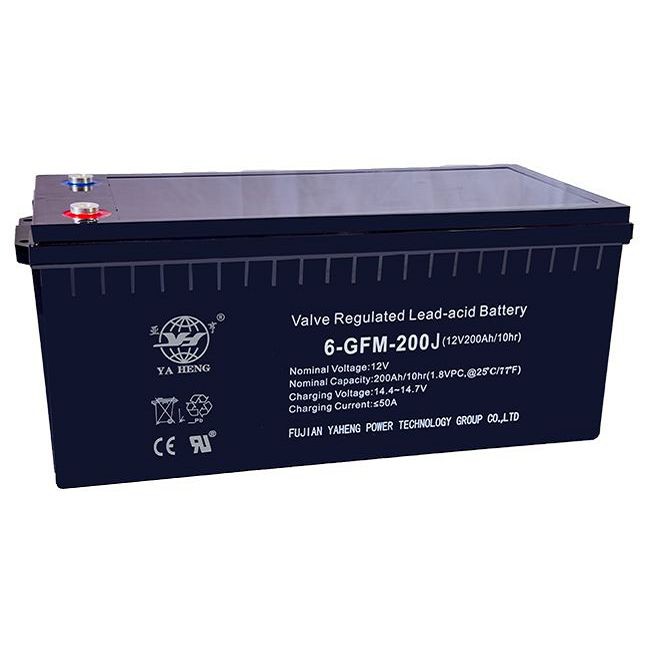
GEL batteries are a type of valve-regulated lead-acid (VRLA) battery. They are filled with a silica-based gel electrolyte, which immobilizes the sulfuric acid electrolyte. This design offers several benefits over traditional flooded lead-acid batteries. For instance, GEL batteries are spill-proof, maintenance-free, and have a lower self-discharge rate. They can also operate in a wider range of temperatures and are less prone to sulfation, which extends their lifespan.

Hybrid Vehicles and Their Battery Requirements
Hybrid vehicles combine an internal combustion engine with an electric motor. The battery in a hybrid vehicle serves multiple functions, including providing power to the electric motor, assisting the engine during acceleration, and storing energy recovered from regenerative braking. These batteries need to have high power density, good charge acceptance, and the ability to withstand frequent charge and discharge cycles.
Advantages of Using GEL Batteries in Hybrid Vehicles
Safety
One of the primary advantages of GEL batteries is their safety. The gel electrolyte reduces the risk of acid leakage, which is a significant concern in automotive applications. In the event of an accident, the spill-proof nature of GEL batteries minimizes the potential for corrosive acid to cause damage or harm.
Longevity
GEL batteries typically have a longer lifespan compared to traditional lead-acid batteries. They can endure a greater number of charge and discharge cycles, which is crucial for hybrid vehicles that rely on frequent battery use. This longevity can result in lower replacement costs over the life of the vehicle.
Low Maintenance
As a maintenance-free option, GEL batteries eliminate the need for regular water topping-up, which is required for flooded lead-acid batteries. This feature is highly desirable for hybrid vehicle owners, as it reduces the hassle and cost of battery maintenance.
Temperature Tolerance
GEL batteries can operate effectively in a wide range of temperatures. They are less affected by extreme heat or cold compared to other battery types, making them suitable for hybrid vehicles that may be used in various climates.
Challenges of Using GEL Batteries in Hybrid Vehicles
Power Density
While GEL batteries offer good energy storage capacity, their power density is generally lower than that of lithium-ion batteries, which are commonly used in hybrid vehicles. This means that GEL batteries may not be able to provide the same level of high-power output required for rapid acceleration or high-speed driving.
Charging Speed
GEL batteries have a slower charging speed compared to lithium-ion batteries. This can be a drawback in hybrid vehicles, where quick charging is often necessary to take advantage of regenerative braking or to recharge the battery during short stops.
Weight
GEL batteries are heavier than lithium-ion batteries. The additional weight can negatively impact the fuel efficiency of hybrid vehicles, as more energy is required to move the vehicle.
Case Studies and Industry Trends
Despite the challenges, there have been some successful applications of GEL batteries in hybrid vehicles. For example, in some niche markets such as low-speed hybrid vehicles or hybrid vehicles used in specific industrial applications, GEL batteries have proven to be a reliable and cost-effective option.
However, the automotive industry is predominantly moving towards lithium-ion batteries due to their superior power density, charging speed, and lighter weight. As a GEL battery supplier, we are constantly researching and developing new technologies to improve the performance of our batteries and make them more competitive in the hybrid vehicle market.
Other Applications of GEL Batteries
While the use of GEL batteries in hybrid vehicles presents both opportunities and challenges, they are widely used in other applications. For example, our Camper Power Battery is designed to provide reliable power for campers, offering a stable energy source for lighting, appliances, and other electrical devices. Our Portable Power Bank Battery is a convenient option for charging electronic devices on the go, and our RV Power Station Battery is specifically tailored to meet the power needs of recreational vehicles.
Conclusion
In conclusion, GEL batteries have several advantages that make them a potential option for hybrid vehicles, including safety, longevity, low maintenance, and temperature tolerance. However, they also face challenges in terms of power density, charging speed, and weight. While lithium-ion batteries currently dominate the hybrid vehicle market, there is still room for GEL batteries in certain applications.
As a GEL battery supplier, we are committed to providing high-quality products and innovative solutions to meet the evolving needs of our customers. If you are interested in exploring the use of GEL batteries in your hybrid vehicle or other applications, we invite you to contact us for a detailed discussion and to explore potential purchasing opportunities. We look forward to working with you to find the best battery solution for your specific requirements.
References
- Linden, D., & Reddy, T. B. (2002). Handbook of Batteries. McGraw-Hill.
- Pistoia, G. (2010). Lithium Batteries: Science and Technology. Springer.
- Vinal, G. W. (1950). Storage Batteries. John Wiley & Sons.


