

Can a wind power system be used for water pumping? This is a question that often comes up when discussing sustainable energy solutions, especially in rural or off - grid areas where access to electricity is limited. As a supplier of Wind Power System, I've had the opportunity to explore this topic in depth.
The Basics of Wind Power Systems
Before delving into the application of wind power systems for water pumping, it's essential to understand how these systems work. A typical wind power system consists of a wind turbine, a generator, and a control unit. The wind turbine captures the kinetic energy of the wind and converts it into mechanical energy. This mechanical energy is then transferred to the generator, which transforms it into electrical energy.
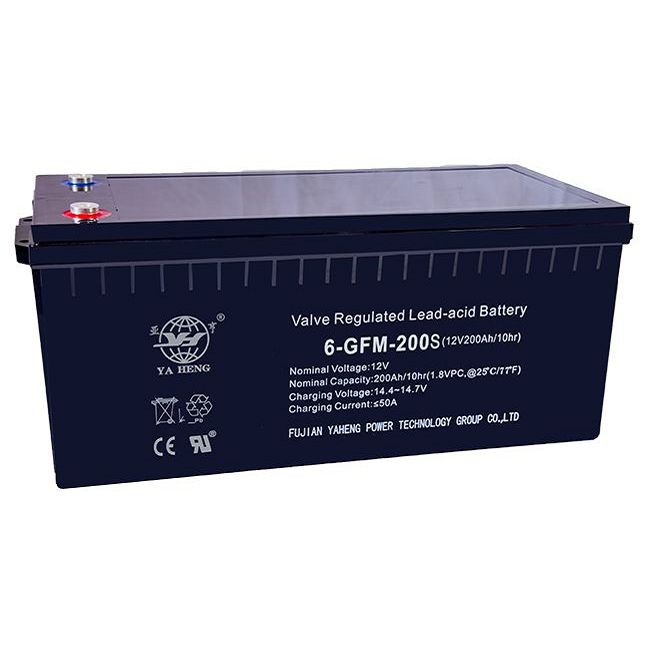
The electrical output from the generator can be used in various ways. In some cases, it can be stored in a battery for solar power system for later use. In other scenarios, it can be directly connected to an electrical load, such as a water pump.
Water Pumping Requirements
Water pumping involves moving water from one place to another, often from a well or a water source to a storage tank or for irrigation purposes. The requirements for water pumping systems vary depending on factors such as the depth of the water source, the distance the water needs to be pumped, and the volume of water required.
For example, a shallow well may only require a low - power pump to lift the water a few meters. On the other hand, a deep well may need a high - power pump capable of generating enough pressure to lift the water from a significant depth. The power requirements for water pumping can range from a few hundred watts for small domestic pumps to several kilowatts for large - scale agricultural or industrial applications.
Feasibility of Using Wind Power for Water Pumping
The feasibility of using a wind power system for water pumping depends on several factors. One of the most critical factors is the availability of wind. Wind power systems require a consistent and sufficient amount of wind to generate electricity. Areas with an average wind speed of at least 3 - 4 meters per second are generally considered suitable for small - scale wind power applications.
Another factor is the compatibility between the wind power system and the water pump. The electrical output of the wind power system must match the power requirements of the water pump. In some cases, a direct - drive system can be used, where the wind turbine is directly connected to the water pump without the need for an electrical generator. This type of system is simple and efficient but may be limited in terms of the depth and volume of water that can be pumped.
In other cases, an electrical - powered water pump can be used in conjunction with a wind power system. The electricity generated by the wind turbine can be used to power the pump directly or stored in a battery for later use. This approach provides more flexibility in terms of the pump's operation and can be used in a wider range of applications.
Advantages of Using Wind Power for Water Pumping
There are several advantages to using a wind power system for water pumping. Firstly, wind power is a renewable and clean energy source. It does not produce greenhouse gas emissions or other pollutants, making it an environmentally friendly alternative to traditional fossil - fuel - powered pumps.
Secondly, wind power systems can be cost - effective in the long run. Although the initial investment in a wind power system may be higher than that of a conventional pump, the operating costs are significantly lower. Once the system is installed, the fuel (wind) is free, and the maintenance requirements are relatively low.
Thirdly, wind power systems can provide a reliable source of power in remote areas where access to the grid is limited or non - existent. This is particularly important for rural communities and agricultural operations that rely on water pumping for their livelihoods.
Challenges and Limitations
Despite the many advantages, there are also some challenges and limitations to using wind power for water pumping. One of the main challenges is the variability of wind. Wind speeds can fluctuate significantly throughout the day and seasonally, which can affect the reliability of the water pumping system. To address this issue, energy storage solutions such as batteries can be used to store excess electricity generated during periods of high wind and release it during periods of low wind.
Another limitation is the initial cost of the wind power system. As mentioned earlier, the upfront investment in a wind power system can be relatively high, which may be a barrier for some users. Additionally, the installation and maintenance of a wind power system require specialized knowledge and skills, which may not be readily available in all areas.
Case Studies
To illustrate the practical application of wind power systems for water pumping, let's look at some case studies. In a rural community in Africa, a small - scale wind power system was installed to pump water from a well for domestic use. The system consisted of a small wind turbine, a battery storage system, and an electrical - powered water pump.
The wind turbine generated electricity during the day when the wind was blowing, and the excess electricity was stored in the battery. At night or during periods of low wind, the battery provided power to the water pump. This system has been in operation for several years and has significantly improved the access to clean water in the community.
In another case, a large - scale agricultural farm in Australia installed a wind - powered water pumping system for irrigation purposes. The system consisted of multiple wind turbines connected to a central control unit and a high - power water pump. The wind power system was able to meet the farm's water pumping requirements, reducing the reliance on grid - connected electricity and saving on energy costs.
Future Outlook
The future outlook for using wind power systems for water pumping is promising. With the continuous development of wind power technology, the efficiency and reliability of wind turbines are expected to improve. This will make wind power systems more cost - effective and suitable for a wider range of applications.
In addition, the integration of energy storage solutions such as advanced batteries and hydrogen storage systems will help to overcome the challenges associated with the variability of wind. These technologies will enable wind power systems to provide a more stable and reliable source of power for water pumping.
Conclusion
In conclusion, a wind power system can be used for water pumping, but its feasibility depends on various factors such as wind availability, power requirements, and system compatibility. While there are some challenges and limitations, the advantages of using wind power for water pumping, such as its renewable nature, cost - effectiveness, and reliability in remote areas, make it an attractive option.
If you are interested in exploring the possibility of using a wind power system for water pumping or other applications, I encourage you to get in touch. As a supplier of Wind Power System, I can provide you with more information and help you find the most suitable solution for your needs. Whether you are a homeowner looking for a sustainable water pumping solution or an agricultural business seeking to reduce your energy costs, we can work together to design and install a system that meets your requirements.

References
- Manwell, J. F., McGowan, J. G., & Rogers, A. L. (2009). Wind energy explained: theory, design, and application. Wiley.
- Burton, T., Sharpe, D., Jenkins, N., & Bossanyi, E. (2011). Wind energy handbook. Wiley.
- Twidell, J., & Weir, T. (2015). Renewable energy resources. Routledge.


