

As a supplier of telecom batteries, I often encounter inquiries from customers about the compatibility of telecom batteries with 5G base stations. With the rapid development of 5G technology, the demand for reliable power sources in base stations has become more critical than ever. In this blog post, I will delve into the question of whether a telecom battery can be used in a 5G base station, exploring the technical aspects, requirements, and considerations.
The Technical Landscape of 5G Base Stations
5G base stations are the backbone of the fifth - generation wireless network, providing high - speed data transmission, low latency, and massive device connectivity. These stations require a stable and continuous power supply to ensure seamless operation. Unlike previous generations of mobile networks, 5G base stations have higher power consumption due to the use of advanced technologies such as millimeter - wave frequencies and multiple - input multiple - output (MIMO) antennas.
The power requirements of 5G base stations can vary depending on factors such as the station's location, coverage area, and traffic volume. On average, a 5G base station may consume several kilowatts of power, and in some high - traffic areas, the power consumption can be even higher. This high power demand poses challenges for the power supply system, including the battery backup.
Telecom Batteries: An Overview
Telecom batteries are designed to provide backup power for telecommunications equipment, ensuring uninterrupted service during power outages or fluctuations. These batteries come in various types, including lead - acid batteries (such as OPzV Battery), lithium - ion batteries, and nickel - cadmium batteries. Each type has its own characteristics, advantages, and limitations.
Lead - acid batteries have been widely used in the telecom industry for many years. They are known for their relatively low cost, high reliability, and good performance in terms of deep - discharge cycles. OPzV batteries, in particular, are a type of valve - regulated lead - acid (VRLA) battery with a tubular positive plate design. This design provides better resistance to corrosion and longer service life compared to other lead - acid battery types.
Lithium - ion batteries, on the other hand, have gained popularity in recent years due to their high energy density, long cycle life, and fast charging capabilities. They are lighter and more compact than lead - acid batteries, making them suitable for applications where space is limited. However, lithium - ion batteries are generally more expensive than lead - acid batteries and require more sophisticated battery management systems to ensure safe operation.
Compatibility of Telecom Batteries with 5G Base Stations
The answer to whether a telecom battery can be used in a 5G base station is yes, but with certain considerations. The compatibility depends on several factors, including the battery's capacity, voltage, discharge rate, and temperature tolerance.
Capacity
The capacity of the battery is a crucial factor. A 5G base station requires a battery with sufficient capacity to provide backup power for an extended period. The required capacity depends on the power consumption of the base station and the expected duration of the power outage. For example, if a 5G base station consumes 3 kW of power and the expected power outage duration is 2 hours, a battery with a capacity of at least 6 kWh would be required.
Voltage
The voltage of the battery must be compatible with the power system of the 5G base station. Most 5G base stations operate at a nominal voltage of 48 V, so the telecom battery should be able to provide this voltage level. Some battery banks may consist of multiple batteries connected in series or parallel to achieve the desired voltage and capacity.
Discharge Rate
The discharge rate of the battery is another important consideration. 5G base stations may require a high - discharge rate during peak traffic periods or in the event of a sudden power outage. The battery should be able to deliver the required current without significant voltage drops. Lead - acid batteries typically have a lower discharge rate compared to lithium - ion batteries, but they can still meet the requirements of many 5G base stations if properly sized.
Temperature Tolerance
5G base stations are often installed in outdoor environments where the temperature can vary significantly. The battery should be able to operate within a wide temperature range without compromising its performance or service life. Lead - acid batteries are generally more tolerant of high temperatures than lithium - ion batteries, but they may require additional cooling or heating systems in extreme temperature conditions.
Advantages of Using Telecom Batteries in 5G Base Stations
There are several advantages to using telecom batteries in 5G base stations. Firstly, telecom batteries provide a reliable backup power source, ensuring that the base station can continue to operate during power outages. This is crucial for maintaining the connectivity of mobile users and preventing service disruptions.
Secondly, telecom batteries can help to stabilize the power supply of the base station. They can absorb power fluctuations and provide a smooth and consistent power output, which is beneficial for the performance of the sensitive electronic equipment in the base station.
Thirdly, using telecom batteries can reduce the reliance on the grid. In areas where the grid is unstable or unreliable, a battery backup system can provide a more stable power source for the 5G base station. This can also help to reduce the overall energy costs by allowing the base station to draw power from the battery during off - peak hours when the electricity price is lower.
Challenges and Considerations
While telecom batteries can be used in 5G base stations, there are also some challenges and considerations. One of the main challenges is the high cost of battery replacement. Batteries have a limited service life, and replacing them can be expensive, especially for large - scale 5G base station deployments.
Another challenge is the environmental impact. Lead - acid batteries contain toxic materials such as lead and sulfuric acid, which can pose a risk to the environment if not properly disposed of. Lithium - ion batteries also have environmental concerns, including the extraction of raw materials and the disposal of used batteries.
In addition, the installation and maintenance of the battery system require technical expertise. Improper installation or maintenance can lead to reduced battery performance, safety hazards, and increased operating costs.
Conclusion
In conclusion, a telecom battery can be used in a 5G base station, but careful consideration must be given to the battery's capacity, voltage, discharge rate, and temperature tolerance. Different types of telecom batteries, such as OPzV Battery and lithium - ion batteries, have their own advantages and limitations, and the choice of battery depends on the specific requirements of the 5G base station.
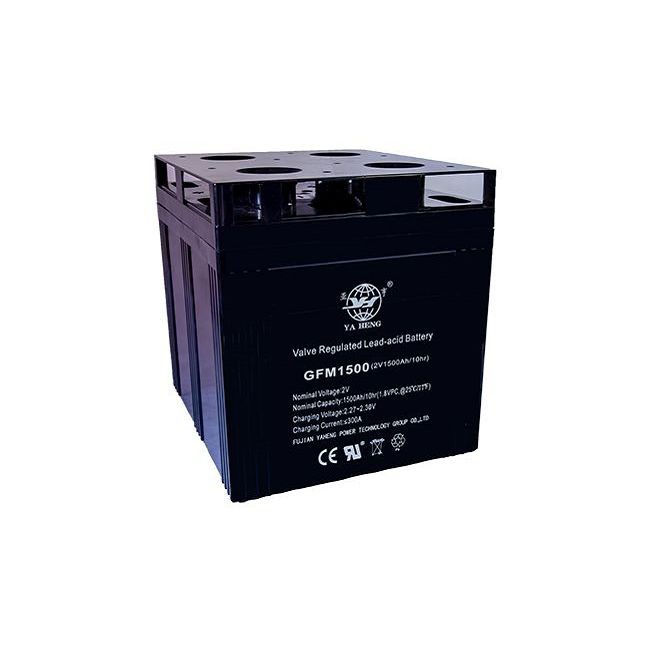

As a telecom battery supplier, we offer a wide range of Telecom Battery Bank and Telecom Power System solutions that are specifically designed for 5G base stations. Our products are reliable, efficient, and environmentally friendly. If you are interested in learning more about our telecom battery solutions for 5G base stations or have any questions, please feel free to contact us for a consultation and procurement discussion.
References
- 5G Technology Overview, International Telecommunication Union (ITU)
- Telecom Battery Standards and Guidelines, Battery Council International (BCI)
- Power Requirements for 5G Base Stations, Ericsson Research Reports


