

Hey there, fellow motorcycle enthusiasts! As a motorcycle battery supplier, I've seen it all when it comes to the challenges our two - wheeled friends face. One question that often pops up is: "Can a motorcycle battery be affected by humidity?" Well, let's dive right in and find out.
First off, let's understand what humidity is. Humidity is basically the amount of water vapor in the air. It can vary a lot depending on where you are, the time of year, and even the weather on a given day. You've probably noticed that in some places, the air feels muggy and thick, while in others, it's dry as a bone. That's humidity at work.
Now, how does this humidity thing impact motorcycle batteries? Well, motorcycle batteries, whether they're GEL Start Battery, Starting Battery, or Start - stop Battery, are made up of a bunch of chemical components. These components are designed to work in a certain environment, and humidity can throw a wrench in the works.
One of the main ways humidity affects motorcycle batteries is through corrosion. When there's a high level of humidity in the air, the moisture can condense on the battery terminals. These terminals are usually made of metal, like lead or copper. The water in the condensed moisture can react with the metal, causing it to corrode. Corrosion is basically the metal breaking down over time due to chemical reactions. You might have seen that white, powdery stuff on your battery terminals. That's corrosion, and it's not a good sign.
Corrosion on the battery terminals can cause a whole host of problems. For starters, it can increase the resistance in the electrical connection between the battery and the motorcycle's electrical system. Think of it like a clogged pipe. When there's a blockage, the flow of water (or in this case, electricity) is restricted. So, with corroded terminals, the battery might not be able to deliver power to the motorcycle as efficiently as it should. This can lead to issues like slow cranking when you try to start your bike or even a complete failure to start.
Another issue related to humidity and corrosion is that it can damage the internal components of the battery. The moisture can seep into the battery casing and react with the electrolyte inside. The electrolyte is a crucial part of the battery that allows it to store and release electrical energy. If the electrolyte gets contaminated or its chemical properties change due to the presence of water, the battery's performance can take a nosedive.
But it's not just corrosion that's a problem. High humidity can also affect the charging process of the battery. When the air is humid, the battery charger might have a harder time maintaining the correct charging voltage. The moisture in the air can interfere with the electrical signals between the charger and the battery, leading to over - charging or under - charging. Over - charging can cause the battery to overheat and lose water from the electrolyte, while under - charging means the battery won't be fully charged, reducing its overall capacity.
On the flip side, low humidity can also be an issue. In very dry conditions, the electrolyte in the battery can evaporate more quickly. The electrolyte needs to be at the right level and concentration for the battery to work properly. If it evaporates too much, the battery might not be able to generate enough power. It's like a car running out of fuel; without the right amount of electrolyte, the battery can't function as it should.
So, what can you do to protect your motorcycle battery from the effects of humidity? Well, there are a few simple steps you can take. First, make sure you keep your battery clean. Regularly check the terminals for signs of corrosion and clean them if necessary. You can use a mixture of baking soda and water to clean the terminals. Just make sure to disconnect the battery first and be careful not to get any of the cleaning solution inside the battery.
Another thing you can do is store your motorcycle in a dry place. If you have a garage, that's great. A garage can provide some protection from the elements, including humidity. You can also use a dehumidifier in your garage to keep the humidity levels down. This can help prevent moisture from condensing on your battery and causing corrosion.
When it comes to charging your battery, make sure you use a good quality charger that's designed to work in different humidity conditions. Some chargers have built - in features that can adjust the charging voltage based on the environmental conditions. This can help ensure that your battery gets charged correctly, no matter what the humidity is like.
As a motorcycle battery supplier, I know how important it is to have a reliable battery for your bike. Whether you're a weekend warrior who loves to hit the open road or a daily commuter who relies on your motorcycle to get to work, a good battery is essential. That's why we offer a wide range of high - quality motorcycle batteries, including GEL Start Battery, Starting Battery, and Start - stop Battery.
Our batteries are designed to withstand the challenges of different environments, including humidity. We use advanced materials and manufacturing processes to ensure that our batteries are durable and reliable. So, if you're in the market for a new motorcycle battery or just want to learn more about how to take care of your existing one, don't hesitate to reach out. We're here to help you keep your motorcycle running smoothly, no matter what the weather throws at you.

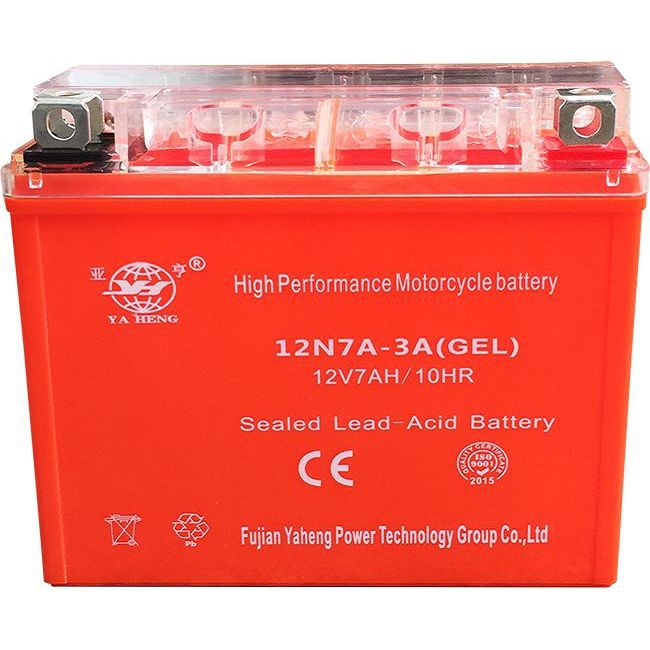
To sum it up, humidity can definitely have an impact on your motorcycle battery. From corrosion to issues with charging, it's something you need to be aware of. But with a little bit of care and the right battery, you can minimize the effects of humidity and keep your bike on the road.
If you're interested in learning more about our motorcycle batteries or have any questions about how to protect your battery from humidity, feel free to contact us. We'd love to have a chat with you and help you find the perfect battery for your needs. Let's keep those engines revving!
References
- Battery University: A comprehensive resource on battery technology and maintenance.
- Motorcycle Mechanics Handbook: Provides in - depth information on motorcycle maintenance, including battery care.


