As a supplier of House Power System, I often get asked the question: "Can a house power system save me money on electricity?" The answer is a resounding yes, and in this blog post, I'll explain how and why.
Understanding the Basics of a House Power System
A house power system, particularly one that incorporates solar energy, is a comprehensive solution designed to generate, store, and manage electricity for your home. At its core, it consists of solar panels, which capture sunlight and convert it into direct current (DC) electricity. An inverter then transforms this DC electricity into alternating current (AC), which is the type of electricity used in most household appliances.
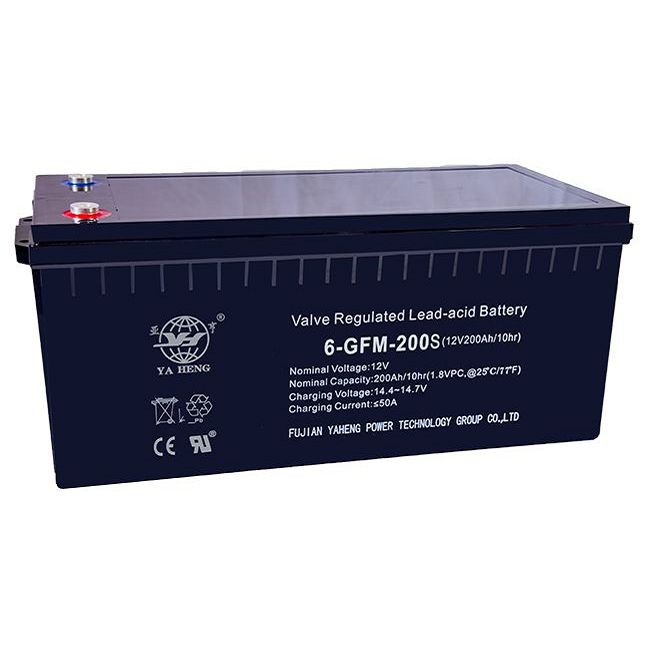
To ensure a continuous power supply, especially during periods of low sunlight or at night, a battery for solar power system is often integrated into the system. This battery stores excess electricity generated during the day, allowing you to use it when the sun isn't shining. Additionally, a Power Cabinet plays a crucial role in managing the flow of electricity, protecting the system from overloads, and providing monitoring and control capabilities.
How a House Power System Saves You Money
Reduced Electricity Bills
The most obvious way a house power system saves you money is by reducing your reliance on the grid. When your solar panels generate electricity, you can use it to power your home instead of drawing from the utility company. This means that you'll consume less electricity from the grid, resulting in lower monthly electricity bills.
For example, let's say your average monthly electricity bill is $200. After installing a house power system, you may find that you're able to generate enough electricity to cover 70% of your home's energy needs. This would reduce your monthly bill to just $60, saving you $140 per month or $1,680 per year. Over the lifespan of the system, which can be 25 years or more, these savings can add up to a significant amount.
Net Metering
In many areas, utility companies offer net metering programs. Net metering allows you to sell excess electricity generated by your solar panels back to the grid. When your system produces more electricity than your home consumes, the excess is fed into the grid, and you receive credits on your electricity bill.
For instance, during the summer months when the days are longer and the sun is stronger, your solar panels may generate a large amount of electricity. Instead of letting this excess electricity go to waste, you can sell it back to the grid and receive credits. These credits can then be used to offset your electricity consumption during the winter months when your solar production may be lower. This effectively reduces your overall electricity costs and can even result in a zero or negative electricity bill in some cases.
Tax Incentives and Rebates
Another way a house power system can save you money is through tax incentives and rebates. Many governments offer financial incentives to encourage homeowners to install solar power systems. These incentives can include federal tax credits, state rebates, and local grants.
For example, in the United States, the federal government offers a solar investment tax credit (ITC), which allows you to deduct a percentage of the cost of your solar power system from your federal income taxes. As of 2023, the ITC is set at 30% of the total system cost. This means that if you spend $20,000 on a solar power system, you can deduct $6,000 from your taxes. Additionally, some states and local governments offer their own rebates and incentives, further reducing the upfront cost of the system.
Increased Home Value
Installing a house power system can also increase the value of your home. Studies have shown that homes with solar panels sell for more than comparable homes without solar. This is because potential buyers are attracted to the energy savings and environmental benefits that come with a solar-powered home.
According to a report by the National Renewable Energy Laboratory (NREL), homes with solar panels sell for an average of 4.1% more than homes without solar. So, if your home is worth $300,000, installing a solar power system could increase its value by $12,300. This not only provides a financial benefit if you decide to sell your home in the future but also gives you peace of mind knowing that your investment is protected.
Factors Affecting the Cost Savings
While a house power system can save you money on electricity, the actual amount of savings you'll achieve depends on several factors.
Location
Your location plays a significant role in determining how much electricity your solar panels can generate. Areas with more sunlight, such as the southwestern United States, will generally produce more electricity than areas with less sunlight, such as the Pacific Northwest. Additionally, the orientation and tilt of your solar panels can also affect their performance. Panels that face south and are tilted at an angle that maximizes sunlight exposure will generate more electricity than panels with a different orientation or tilt.

Energy Consumption
Your home's energy consumption also affects the cost savings of a house power system. If you have a high energy consumption, you'll need a larger system to meet your needs. However, a larger system will also generate more electricity, resulting in greater savings. On the other hand, if you have a low energy consumption, you may be able to get by with a smaller system, which will cost less to install.
System Size and Efficiency
The size and efficiency of your house power system are also important factors. A larger system will generally generate more electricity, but it will also cost more to install. Additionally, the efficiency of your solar panels and other components can affect how much electricity they produce. Higher efficiency panels will generate more electricity per square foot, allowing you to generate the same amount of electricity with a smaller system.
Utility Rates
The cost of electricity from your utility company also affects the cost savings of a house power system. If your utility rates are high, you'll save more money by generating your own electricity. Conversely, if your utility rates are low, the savings may be less significant. It's important to research the average utility rates in your area and compare them to the cost of installing and operating a house power system to determine if it's a cost-effective investment.
Making the Decision to Install a House Power System
If you're considering installing a house power system, there are several steps you can take to ensure that you make the right decision.
Conduct a Home Energy Audit
Before you install a house power system, it's a good idea to conduct a home energy audit. A home energy audit will help you identify areas where you can reduce your energy consumption, such as by improving insulation, sealing air leaks, and upgrading to energy-efficient appliances. By reducing your energy consumption, you'll need a smaller and less expensive house power system to meet your needs.
Get Multiple Quotes
It's important to get multiple quotes from different House Power System suppliers. This will allow you to compare prices, system components, and installation services. When getting quotes, make sure to ask about the quality of the components, the warranty, and the installation process.
Research Financing Options
Installing a house power system can be a significant investment, but there are several financing options available to help you cover the cost. These options include solar loans, leases, and power purchase agreements (PPAs). Each option has its own advantages and disadvantages, so it's important to research them carefully and choose the one that's right for you.
Consult with a Professional
Finally, it's a good idea to consult with a professional solar installer or energy advisor. They can help you determine the size and type of system that's best for your home, provide you with accurate cost estimates, and guide you through the installation process. A professional can also help you navigate the permitting and interconnection requirements in your area.
Conclusion
In conclusion, a house power system can save you money on electricity in several ways, including reduced electricity bills, net metering, tax incentives, and increased home value. While the upfront cost of installation can be significant, the long-term savings and benefits make it a worthwhile investment.
If you're interested in learning more about how a house power system can save you money and meet your home's energy needs, I encourage you to contact us. Our team of experts can provide you with a free consultation, answer your questions, and help you find the right solution for your home. Don't miss out on the opportunity to save money, reduce your carbon footprint, and take control of your energy future.
References
- National Renewable Energy Laboratory (NREL). "Solar Energy Technologies Office: Homeowner's Guide to Going Solar."
- U.S. Department of Energy. "Solar Power for Your Home."
- Solar Energy Industries Association (SEIA). "Solar 101: How Solar Works."